Changes in my jawline, cheeks, and neck developed gradually. I first noticed a softer jawline in photos and skin that no longer felt as firm as it once did. These changes are a natural part of aging, but I still felt it was reasonable to explore my options once they began to affect how I felt about my appearance. Anatomy
Non-surgical options can lead to slow improvement, but I realized they can’t achieve the same significant change as surgery. When deciding on a procedure, I thought about the specific area I wanted to address, the degree of skin laxity, my comfort level with the treatment and recovery process, and the outcome I desired. A thorough consultation was essential to help me assess whether my expectations were realistic.
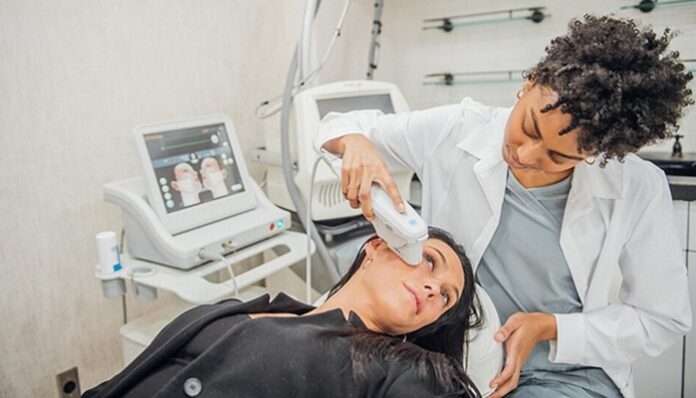
Ultherapy uses focused ultrasound energy beneath the skin and may be considered for mild-to-moderate laxity in certain areas. Because results can vary, I asked my practitioner how much improvement I could expect, when changes were likely to appear, how long they might last, and what side effects could occur. Choosing a qualified, experienced provider was essential to deciding whether the treatment suited my skin, health, and goals.
Everyday Habits That Influenced My Skin’s Firmness
Frequent sun exposure without protection gradually weakened my skin’s structure. Spending time outdoors during lunch breaks without sunscreen left me with uneven skin texture and early sagging. The sun breaks down collagen, which helps keep skin firm.
My sleeping position also affected my skin over time. Sleeping on one side regularly, I noticed slight differences in skin tightness between the two sides of my face. While this wasn’t a major cause of sagging, it did affect how my skin folded over time. Anatomy
Daily facial movements, such as repeated expressions, affect how my skin ages. Smiling, frowning, or squinting are natural and unavoidable, but over time they contribute to the development of fine lines and wrinkles.
Strengthening My Body’s Natural Control
My body naturally produces collagen to maintain skin structure, but this process slows with age. Ultrasound-based treatments help stimulate collagen production by delivering energy beneath the skin, encouraging gradual tightening rather than immediate lifting.
A simple comparison: just as regular movement helps maintain muscle tone, regular exercise provides consistent stimulation that supports my skin’s internal structure. The effects weren’t instant, but they appeared gradually over the following months.
Daily skincare mattered too. Hydration, balanced nutrition, and a gentle skincare routine supported my skin’s ability to respond to treatment. These factors worked together rather than as standalone measures. Skin& Nail Care
Practical Adjustments for Daily Comfort
Choosing a non-invasive treatment was a practical choice for me because I wanted minimal disruption to my routine. With a busy work schedule, I preferred a session that let me return to normal activities the same day, making it easier to continue my responsibilities without a long recovery period.
Having realistic expectations was also important. Unlike surgery, which can show more noticeable results quickly, nonsurgical treatments improve the skin gradually. I observed ultherapy changes over several weeks and months rather than right away.
The Importance of Steady Changes
Small, steady changes improved my skin over time. When my daily habits supported skin health and my expectations remained realistic, the changes felt more manageable and less overwhelming. My routine became easier to maintain, with fewer concerns about sudden or drastic changes in appearance.
After comparing non-invasive treatments with surgical options, I came to understand that they serve different purposes. Ultherapy helped improve my mild-to-moderate skin laxity by stimulating natural collagen production, but it didn’t deliver the more significant lift a facelift achieves. A facelift lifts and tightens the deeper layers of the face, producing more noticeable and immediate results.
For someone seeking gradual improvement with minimal downtime, a nonsurgical treatment like ultherapy can be a suitable option. However, for those with more advanced sagging or a desire for a more pronounced change, surgical methods may still be the more effective choice. Understanding these differences helped me choose the treatment that best suited my goals and expectations.