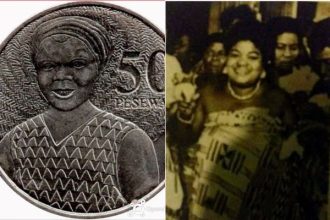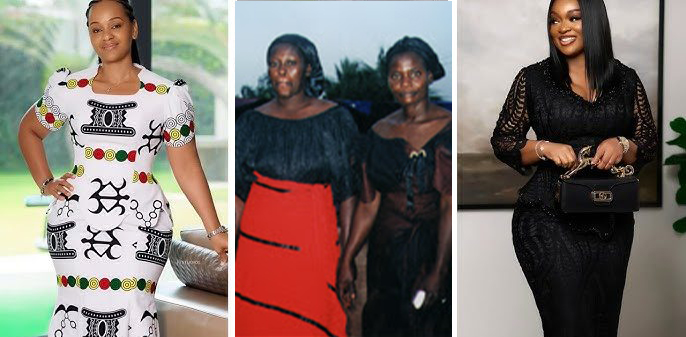
Funeral fashion in Ghana has undergone a fascinating transformation over the decades, reflecting not only changing aesthetic tastes but also evolving cultural values, religious influences, and social identities.
As we celebrate Ghana Month, it is important to recognise how even in moments of grief, Ghanaians express heritage, unity, and creativity through what they wear.
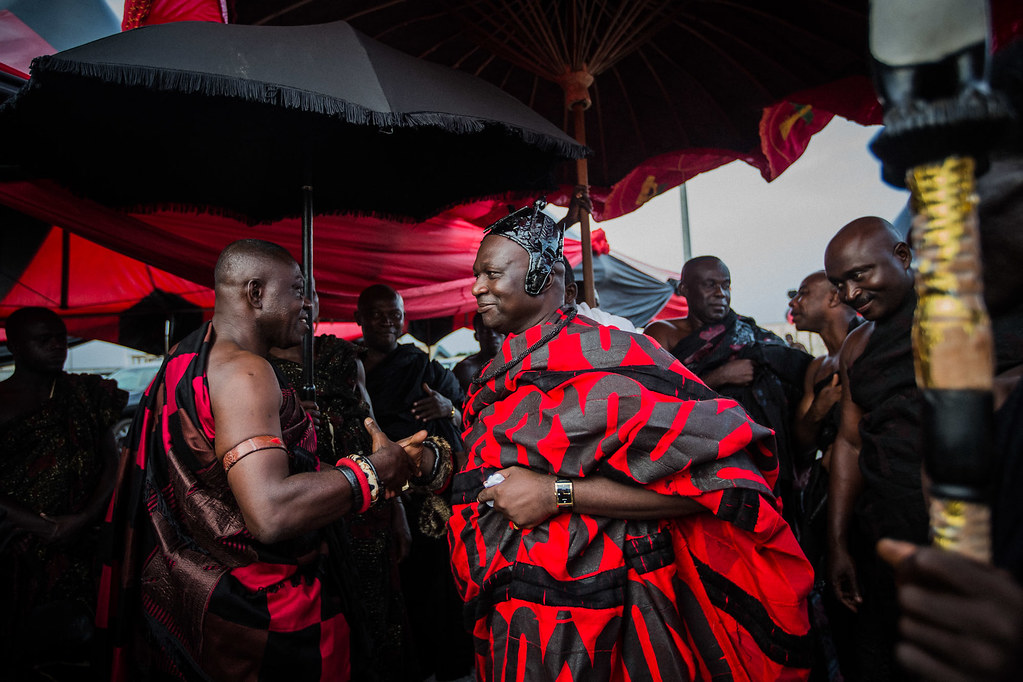
Traditionally, funeral attire in Ghana was deeply symbolic and rooted in ethnic customs. Black, Red, Black and White, and Brown cloths were, and still are, the dominant colours associated with mourning in Ghana.
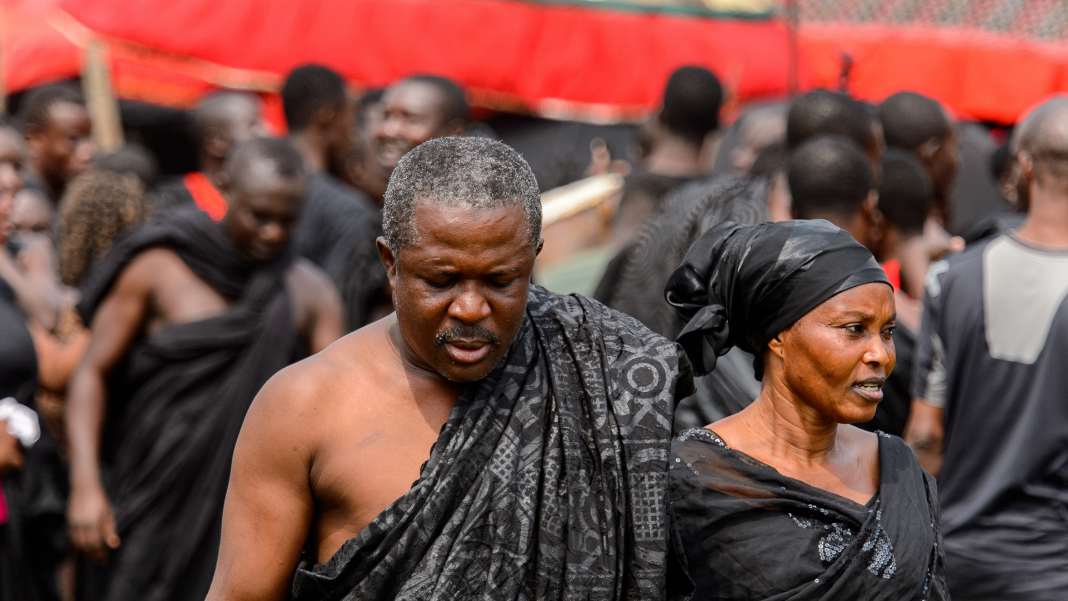
Red is typically worn during the initial stages of grief or for the elderly, symbolising both sorrow and celebration of a life well lived, while black is reserved for solemn remembrance and the final funeral rites.

Cloths such as Kente and Adinkra cloth were used not just as garments but as storytelling tools. Adinkra symbols, for instance, conveyed messages about life, death, and morality, turning funeral attire into a visual language of philosophy and reflection.
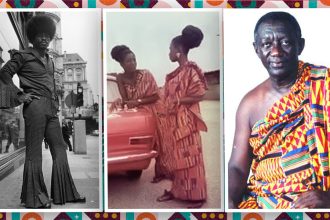
In the 1960s through the 1980s, funeral fashion began to reflect a blend of tradition and modernity. Western-style clothing such as suits and dresses became more common, especially in urban centres like Accra and Kumasi. However, even with these influences, the use of black fabrics and culturally significant textiles remained strong.
READ ALSO: Everyday fashion that defined Ghanaians in the 80s and 90s
Men often wore black suits with traditional cloth draped over one shoulder, while women combined lace or cotton dresses with headscarves (dukus), maintaining a balance between modesty and cultural identity.
By the 1990s and early 2000s, funeral fashion in Ghana had evolved into a more coordinated and stylised expression.

Families began designing customised funeral cloths, often printed with the image of the deceased, dates, and specific motifs. These “funeral cloths” became a unifying element, allowing mourners to visually demonstrate their connection to the departed. The rise of local textile industries and printing technologies made it easier and more affordable to produce these fabrics in large quantities.
Funeral cloth printed with the image of the deceased.
This period also saw the emergence of elaborate funeral ceremonies, where fashion played a central role. Funerals became social events that brought together extended families, friends, and entire communities.
As a result, people began investing more in their appearance, leading to the popularity of tailored outfits, stylish accessories, and coordinated group attire. Women, in particular, embraced intricate lace fabrics, beads, and elegant headgear, while men experimented with designer suits and traditional smocks.
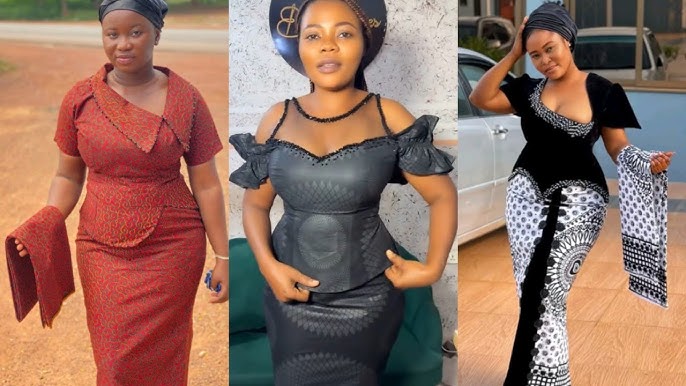
In recent years, funeral fashion in Ghana has taken on a more contemporary and globalised outlook. Influences from social media, fashion designers, and diaspora communities have introduced new trends and styles.
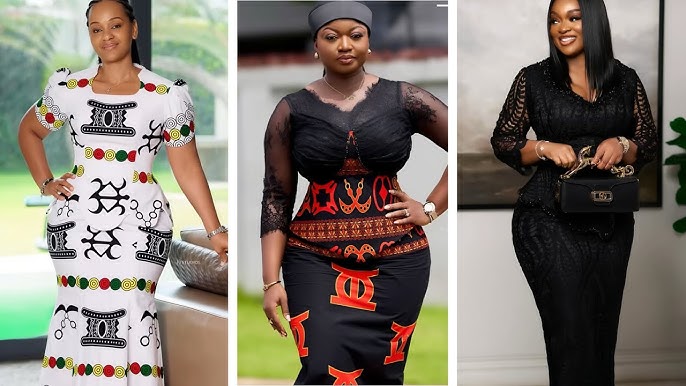
Today, it is not uncommon to see mourners wearing a fusion of traditional and modern attire, such as black Fugu paired with sleek shoes or tailored dresses incorporating Adinkra patterns in innovative designs.
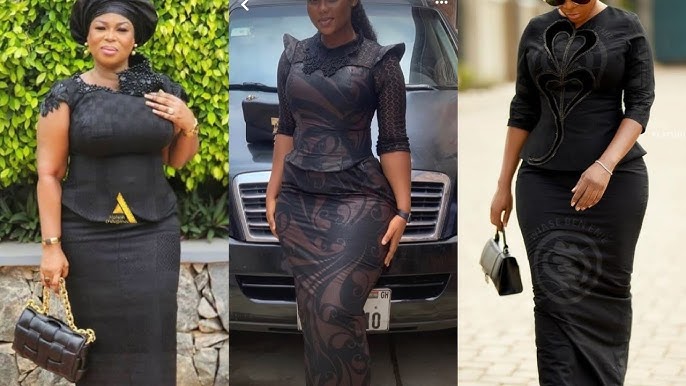
Another notable development is the personalisation and branding of funeral attire. Families now go beyond simple cloth printing to include themed dress codes, colour variations, and even multiple outfit changes for different stages of the funeral rites. This reflects a broader shift in how Ghanaians perceive funerals, not only as moments of mourning but also as celebrations of life and legacy.
Despite these changes, the core values underlying funeral fashion in Ghana remain intact. Respect for the deceased, cultural identity, and communal solidarity continue to guide what people wear. Whether in a simple black cloth or an elaborate custom-designed outfit, funeral attire still serves as a powerful expression of grief, honour, and belonging.
As Ghana Month is celebrated, the evolution of funeral fashion reminds us that culture is not static. It adapts, innovates, and grows with time, while still holding onto its roots.
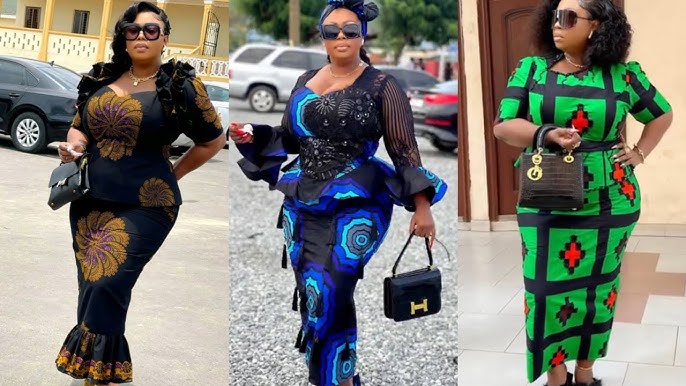
Funeral fashion in Ghana is more than just clothing; it is a living tradition that tells the story of Ghanaians, our values, and our enduring connection to both the past and the future.