A formal request for accountability has been lodged with the Ministry of Lands and Natural Resources, raising fresh questions about the implementation of Ghana’s Responsible Cooperative Mining and Skills Development Programme (RCOMSDEP), launched in August 2025.
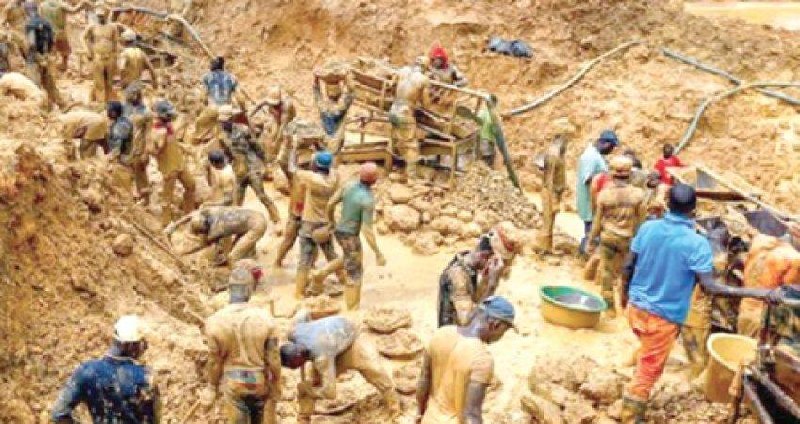
The programme, introduced under the leadership of President John Dramani Mahama, was designed to transform community mining into structured, sustainable operations while tackling the persistent challenge of illegal mining, widely known as galamsey.
It emerged from a rebranding of earlier initiatives by the former president, Nana Addo Danquah administration such as the National Alternative Employment Livelihood Programme (NAELP) and the Community Mining Scheme Policy, with the government promising job creation, environmental protection, and improved governance in the small-scale mining sector.
At its launch, Lands and Natural Resources Minister, Emmanuel Armah Kofi Buah emphasised that the initiative would promote responsible mining practices and provide viable employment opportunities in mining communities.
However, nearly a year on, concerns over the programme’s effectiveness have intensified amid reports that illegal mining continues to expand across forest reserves.
In a Right to Information (RTI) request submitted to the Minerals Commission, Ing. Wisdom Edem Gomashie, a mining consultant is demanding detailed disclosures on the rollout and impact of the programme.
Central to his request is a comprehensive list of all responsible cooperative mining schemes established under RCOMSDEP since 2025.
He is asking for specifics including the locations of these schemes, mining and mineral processing methods used, and whether proper tailings management systems are in place.
Additionally, he wants at least four geographical coordinates for each concession to ensure transparency and traceability.
Beyond operational details, the request seeks data on employment outcomes. The mining expert is demanding statistics on both direct and indirect jobs created through the programme, a key metric used by the government to justify the initiative.
He is also requesting figures on total gold output from these schemes since their inception, which would offer insight into the programme’s economic contribution.
Looking ahead, the petitioner is asking the commission to disclose planned cooperative mining projects expected to be rolled out by the end of 2026, including their projected job creation potential and intended locations.
Finally, the request probes the role of large-scale mining firms, seeking a list of companies that have relinquished portions of their concessions to support cooperative mining efforts.
Details requested include the size of land ceded, dates of relinquishment, and the current status of those areas.