The Association of Ghana Industries (AGI) has questioned the timing of the latest electricity tariff adjustment, arguing that the increase comes at a time when key economic indicators are improving, and global fuel prices are beginning to ease.
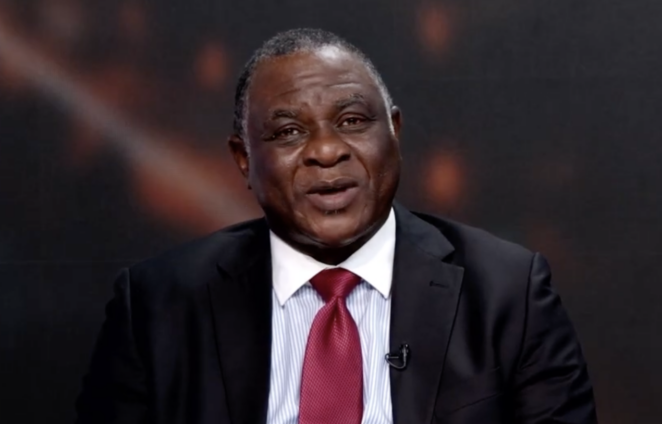
Speaking in an interview, Chairman of AGI’s Economic Affairs Committee, Eric Defoe, said the impact of the tariff adjustment could be far greater than the headline increase announced by regulators.
Responding to suggestions that the increase of just over 3% appeared relatively modest, Mr Defoe warned that manufacturers could experience much bigger cost increases once the effects spread through the production chain.
“It would appear so nominally, but the effect may not be 3.5% on pricing; it may go higher,” he said.
He explained that electricity is only one component of production costs and that increases in utility tariffs often trigger additional cost pressures across other parts of the manufacturing process.
“Like I tried to explain that the other factors in the basket of production may be affected, and cumulatively it may go to five to 10% or anywhere in that band, so if we are not careful, we don’t know what’s going to happen,” he stated.
Mr Defoe argued that regulators should have delayed the tariff review because one of the key factors influencing electricity pricing—fuel costs—is already beginning to reverse.
“What worries us is that petroleum prices went up; therefore, there was some adjustment in the market, but they’re coming down now because the US-Iran war has ended, and prices are falling back.”
According to him, since fuel prices form part of the tariff adjustment formula, authorities should have waited to assess the full impact of falling global prices before announcing higher electricity charges.
“So, at this time, that is also one of the components in the tariff adjustment structure. So, if that’s going to go down, and at this time we are increasing tariffs, maybe they should wait a little bit more and see what happens.”
Mr Defoe maintained that quarterly tariff reviews should not automatically result in price increases.
“They don’t have to increase the tariff just because there’s a quarterly review, but they should look at the general market and determine whether it is suitable to do that,” he said.
He also questioned why consumers should shoulder additional costs after government introduced fuel levies to support the power sector.
“Now we’re already providing a lot of resources to mitigate some of the production costs by paying these levies on fuel. It makes money available for generation and legacy debts, so why are we going to have to pay more again? Because it doesn’t make sense to us.”
Describing the adjustment as poorly timed, Mr Defoe said the improving macroeconomic environment did not justify higher electricity tariffs.
“This is the timing that is wrong. You should have waited, looked at the global picture, and seen whether the effect of the war had worn off, and then I don’t know what really the reason for the adjustment is, other than for fuel, because interest rates have gone down, the exchange rate is stable, inflation is down, so what else could it have been the factor.”