The International Monetary Fund (IMF) is calling for urgent fiscal reforms as governments face mounting pressure from higher borrowing costs, fluctuating inflation and repeated economic shocks that are weakening their financial buffers.
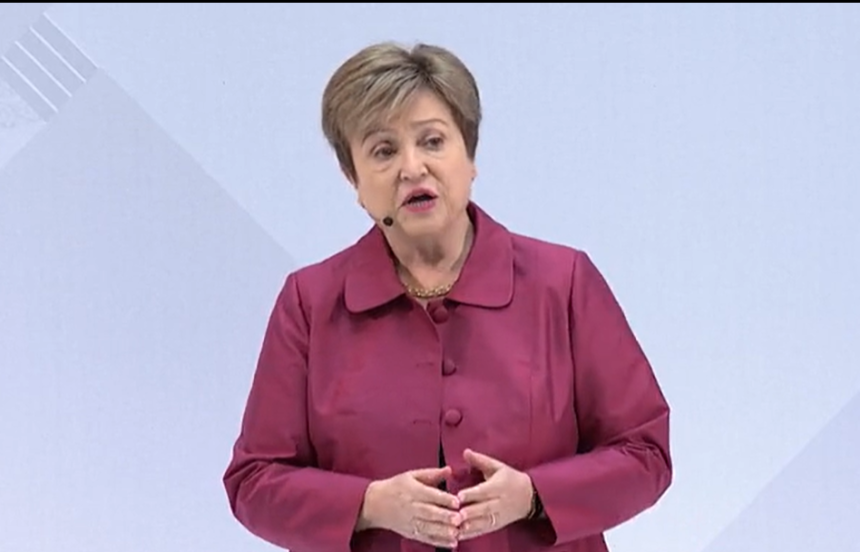
Speaking during the Managing Director’s Press Briefing at the ongoing IMF and World Bank Annual Meetings in Bangkok, Thailand, where she presented the Fund’s Global Policy Agenda, IMF Managing Director Kristalina Georgieva said the resilience of the global economy is beginning to weaken.
“What is our loudest call to policymakers right now? Make urgent repairs to the fiscal house before the cracks widen,” she said.
Ms Georgieva said governments must enhance revenues, rationalise spending and improve public financial management to strengthen their capacity to withstand further shocks.
She also called on policymakers to protect vulnerable households as rising energy and food prices add to cost pressures, stressing: “Protect people, not prices.”
On monetary policy, the IMF is urging central banks to remain focused on their price stability mandates, particularly in economies where inflation remains above target.
“We are urging central banks to stay laser-focused on their price stability mandates,” Ms Georgieva said, adding that a tighter policy stance may be appropriate where inflation remains elevated and economic activity is strong.
In an earlier media engagement , the IMF’s Chief Economist, Silvana Tenreyro, separately highlighted the challenge for central banks facing supply shocks that raise inflation while weakening economic activity.
“That’s a situation, the classical situation of trade-off from the perspective of monetary policy,” she said.
She said policymakers must ensure inflation returns to target within the policy horizon, while avoiding the degree of tightening that would be warranted in a purely demand-driven inflation shock.
The IMF says strengthening fiscal positions and maintaining credible monetary-policy frameworks will be critical as countries navigate an increasingly uncertain global economy.