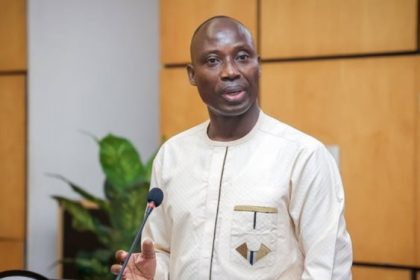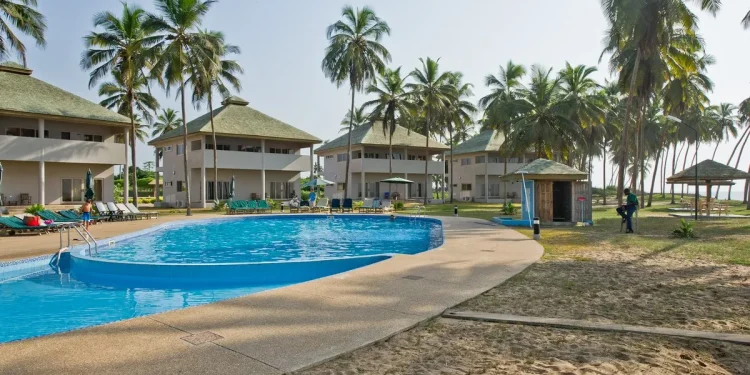
The President of the Ghana Hotels Association, Victor Opoku Minta, is urging the government to review taxes and utility tariffs in the hospitality sector, saying they are driving up the cost of hotel accommodation.
He explained that taxes alone account for about 20% of the price of a hotel room, placing significant pressure on operators.
For example, out of a GH¢100 room charge, about GH¢20 goes to taxes, leaving the rest to cover utilities, staff salaries, maintenance, and other running costs.
“If you take a GH¢100 hotel bill, roughly GH¢20 goes to taxes. The remaining GH¢80 has to cover electricity, water, staff salaries, maintenance and several other expenses required to keep the facility running,” he said.
He stressed that hotels require continuous maintenance to maintain service standards.
“Hotels are facilities that require constant upgrades and maintenance. If operators delay addressing issues, it can quickly affect the quality of service provided to guests,” he noted.
Mr. Opoku Minta also identified utility costs, particularly electricity and water, as a major factor driving up operational expenses in the industry.
He therefore called for a review of how hotels are classified under utility tariffs, noting that supportive policies could help ease the cost burden on operators and reduce accommodation rates.
“If utility tariffs for hotels are reviewed, it will ease the operational burden on businesses and that could eventually reflect in more competitive room rates for customers,” he explained.
The President of the Ghana Hotels Association further pointed out that the industry depends heavily on imported goods and supplies, since many of the items used in hotel operations are not produced locally.
“A large portion of the items hotels use in their operations are imported because they are not produced locally, and that naturally increases operational costs,” he added.
While welcoming the government’s earlier decision to remove the 1 percent COVID-19 levy, Mr. Opoku Mintah said more policy discussions are needed to make hotel accommodation in Ghana competitive with other destinations within the sub-region and across Africa.
“There needs to be more engagement on the issues affecting the industry because hotel rates in Ghana should be competitive with those in other African countries,” he said.