A capacity-building workshop in Accra has brought renewed attention to how Ghana can better use the contributions of its citizens living abroad to support national development.
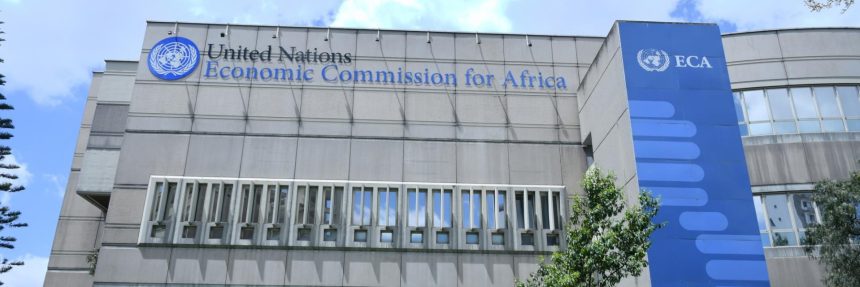
The programme is jointly organised by the United Nations Economic Commission for Africa and the National Development Planning Commission.
It focuses on helping Ghana include migration more effectively in its national and medium-term development plans.
About 1.7 million Ghanaians live outside the country in more than 50 nations. These citizens form a strong network that offers skills, expertise, and financial support.
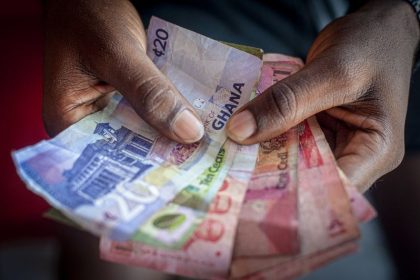
Their money sent home plays a major role in the economy. Annual remittances range between 4 billion and 5 billion US dollars, and in some years they rise above 6 billion dollars. These inflows contribute close to 7 percent of Ghana’s Gross Domestic Product.
Many households depend on this support. Over 30 percent of families use remittances to pay for education, healthcare, housing, and small businesses. This helps reduce poverty and improve living conditions.
However, experts at the workshop noted that a large portion of the money goes into daily consumption.
They stressed the need for policies that encourage more investment in areas like agriculture, real estate, and small and medium-sized enterprises, where some diaspora funds are already directed.
They also highlighted the stability of remittances during global crises.
Even during the COVID-19 pandemic, these inflows remained steady and sometimes exceeded foreign direct investment and official development assistance.
On a global scale, more than 281 million people live outside their home countries. They make up about 3.6 percent of the world’s population. Together, they send over 650 billion US dollars in remittances each year to low- and middle-income countries.
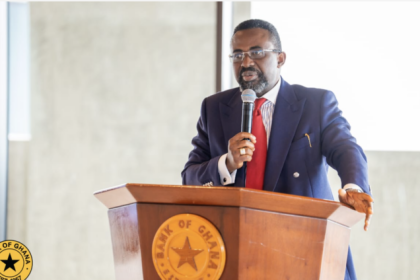
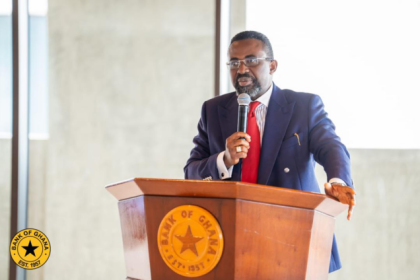
Speaking on behalf of the Director-General of the National Development Planning Commission, Tweneboah Koduah said Ghana receives large sums from its diaspora each year. He noted that much of this money supports immediate needs rather than long-term investment.
He urged policymakers to take deliberate steps to direct more remittances into sectors that create jobs and grow businesses. He said this approach would support economic transformation and development.
He also pointed out that remittances account for nearly 7 percent of Ghana’s GDP and remain stable even during global economic shocks. In some cases, they perform better than foreign direct investment and official aid.
According to him, Ghana must improve data systems and coordination to fully benefit from diaspora contributions.
An Economic Affairs Officer at the United Nations Economic Commission for Africa, Amadou Diouf, said Ghana has made progress between 2024 and 2025 in building stronger systems for engaging its diaspora. He credited support from the Commission for part of this progress.
He encouraged Ghana to maintain the momentum by fully integrating migration into national planning and improving coordination among institutions. He also said remittances should be treated as a key part of development strategy.
He added that Ghana participates in a wider African initiative that allows countries to share experiences and best practices on migration and development.
Participants at the workshop took part in group discussions and presentations. They proposed practical ideas and called for stronger coordination and better use of data in managing migration issues.
The workshop ran from April 21 to 23, 2026, and brought together government officials, development partners, and experts.
It aims to strengthen Ghana’s migration framework and position diaspora contributions as a major force for economic growth and long-term development.