The Chamber of Oil Marketing Companies (COMAC) is calling for a portion of Ghana’s additional crude oil revenue to support the struggling downstream petroleum sector.
The call comes as the government continues to subsidise diesel prices, while rising international oil prices put pressure on the domestic fuel market.
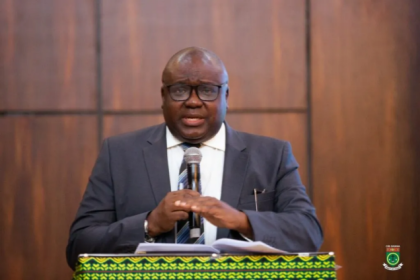
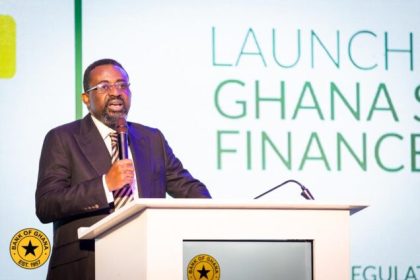
Chief Executive Officer of COMAC, Dr Riverson Oppong, said Ghana should consider redirecting part of the unexpected increase in crude oil revenue to cushion the downstream sector.
He said government’s oil revenue performance appears to be exceeding earlier projections, creating an opportunity to support businesses and consumers facing higher fuel costs.
“Ghana is an oil-producing country. George, we produce oil,” he said.
“No matter how far our volumes have dropped, that is a question for the gods, the upstream chamber probably. We are also recovering or over-recovering.”
Dr Oppong said actual crude oil revenue appears to be higher than what was projected in the national budget.
“If you compare the budget of the Ministry of Finance at the early part of the year compared to what the actual price or the actual revenue we are making from the crude oil stills, we are making more than whatever we projected,” he said.
He proposed a dialogue between government and industry stakeholders on how the additional revenue could be used to cushion the downstream sector.
“Wasn’t it a good idea for the government to say to stakeholders,’Hey guys, I was meant to make $100 million’?” Now I’m making 120 million. Can I bring this $20 million to cushion the downstream?” he asked.
Dr Oppong said the downstream sector is currently bearing the brunt of the pressure, while the upstream sector benefits from higher crude oil revenues.
“Because the downstream is crying, upstream is laughing. So whereas Petroleum Commission and GNPC are happy with the incremental revenue, NPA and us are crying,” he said.
He believes sharing part of the additional revenue could provide a more balanced approach.
“So let’s have this dialogue. Instead of only one side being happy, can we share the extra profit, or the profit we are getting from upstream? That could be a good one,” he said.
Dr Oppong also clarified that the Uniform Pricing Policy Fund should not be treated as government revenue. He explained that the fund ensures consumers pay the same fuel price regardless of their location.
“The real subsidy, the real pain that will affect government budgets, is the taxes and levies,” he said.
He welcomed government’s intervention but stressed that his concern goes beyond the immediate relief.
“We are happy for the government intervention, and I’ll still keep on saying that that’s government intervention. It’s good. We appreciate that,” he said.
“I care because I care about the industry. Anything that will bring operations or the industry to a floor, I’m against it.”