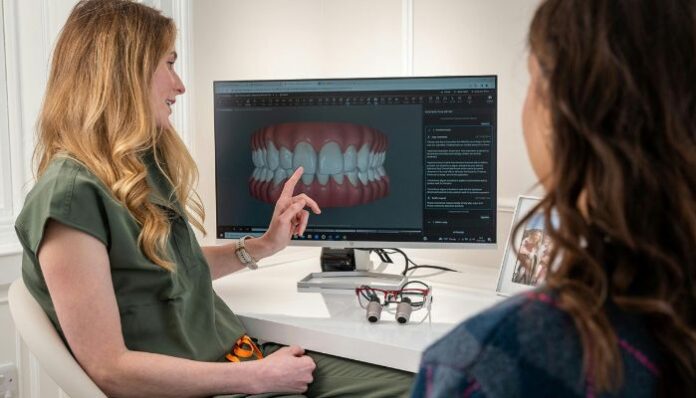
Choosing dental implant surgery is a major health decision, not a quick cosmetic choice. The treatment can restore chewing strength, support jawbone health, and replace missing teeth with a stable prosthetic root and crown. Still, success depends on bone volume, gum condition, medical history, daily habits, and clear expectations.
Asking the right questions before treatment helps patients judge risk, cost, timing, and long-term maintenance with greater confidence. That preparation can prevent avoidable surprises.
1. Am I a suitable candidate?
A strong candidate usually has healthy gums, enough jawbone, and medical conditions that are under control. Patients comparing options for Las Vegas, Nevada, dental implants should ask how tooth loss, bite pressure, smoking, diabetes, or gum infection may affect healing, because these details shape the treatment plan, surgical risk, and long-term stability of the final restoration.
2. What type of implant fits the case?
Implant treatment is not one single method. A person missing one tooth may need a single implant and crown. Several missing teeth may call for an implant-supported bridge. A full arch may need multiple implants that support a denture or fixed restoration.
The best option depends on bone quality, the number of missing teeth, bite force, budget, and appearance goals. A clear plan should explain why one method fits better than another.
3. How much bone is available?
Jawbone often shrinks after tooth loss because it no longer receives pressure from a natural root. That change can affect implant placement. Before surgery, a dentist may use X-rays or three-dimensional imaging to measure bone height, width, and density.
If the bone is too thin, grafting may be needed before or during implant placement. Patients should ask whether grafting is likely, how it changes the timeline, and what healing signs matter.
4. What will the timeline look like?
Dental implant care often takes months, even when each visit is eventful. After the titanium post is placed, bone must bond with it through osseointegration. This healing phase may take several months, depending on health, bone condition, and the location of the implant.
Some patients can receive a temporary tooth sooner. Others need staged care. A reliable timeline should include exams, surgery, healing, abutment placement, and the final crown or prosthesis.
5. What are the real costs?
Implant fees can vary because treatment may include imaging, extractions, grafting, sedation, temporary restorations, posts, abutments, and final crowns. A low estimate may leave out parts that become necessary later.
Before agreeing to treatment, patients should request an itemized plan. Insurance details also matter. Some plans help with crowns or related care, while others limit implant benefits. Clear financial information protects decision-making.
6. What risks should be Discussed?
Dental implants have a high success rate, but no surgery is risk-free. Possible concerns include infection, poor bone bonding, nerve irritation, sinus involvement in upper jaw cases, and crown damage from heavy bite forces.
Personal habits also matter. Smoking, poor plaque control, and untreated gum disease can raise the chance of failure. Patients should ask how risks will be reduced before surgery and monitored after placement.
7. How should implants be maintained?
Implants cannot get cavities, but the tissue around them can become inflamed. Daily brushing, careful cleaning between teeth, and regular dental visits help protect the bone and gums that hold the implant.
People who grind their teeth may need a nightguard. Hard foods, missed cleanings, and ignored soreness can shorten the life of a restoration. Long-term success depends on routine care after treatment is complete.
Conclusion
Dental implants can restore comfort, appearance, and chewing function, but the decision deserves careful review. The best questions cover candidacy, bone health, treatment type, timing, cost, surgical risk, and maintenance. Patients who ask for clear answers before surgery are better prepared for each step and less likely to face confusion later. A thoughtful consultation should turn a major dental choice into a well-planned health decision.