The Executive Director of the West Africa Centre for Counter-Extremism (WACCE), Mutaru Mumuni Muqthar, has called on the government to declare a state of emergency in areas badly affected by illegal mining, popularly known as galamsey.
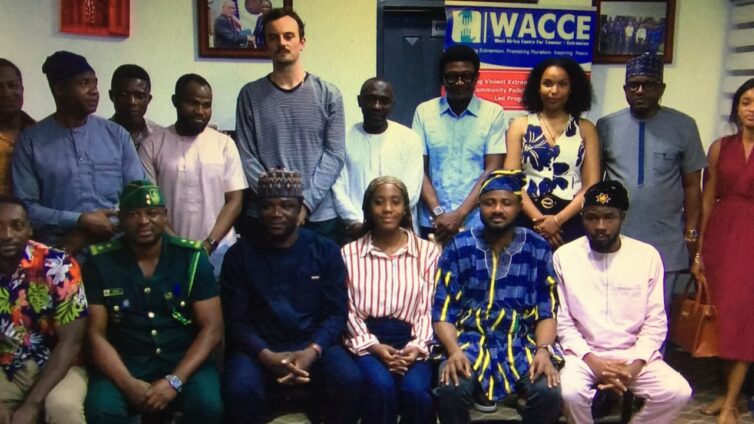
Speaking at the 9/11 Memorial Security Dialogue at the WACCE office in Accra, Mr Muqthar warned that illegal mining was creating security problems that could be taken advantage of by extremist groups.
He said Ghana’s growing security concerns required urgent and stronger action to deal with illegal mining and other weaknesses in the country’s security system.
“If you look at the challenge of galamsey and ethnic conflict, these are vulnerabilities that can be exploited by extremist groups.
“Extremist groups look out for ungoverned spaces or spaces that have very weak governance in terms of enforcement of laws. So they exploit those vulnerabilities.
“Galamsey is a crisis that should have been declared a national emergency long ago, and we must ensure that we deal with it in ways that we have never done before,” he said.
Also speaking at the event, the Executive Director of the Jatikay Centre for Human Security and Peace Building, Adib Saani, called for civil society organisations (CSOs) to play a bigger role in Ghana’s national security decisions.
Mr Saani said CSOs were in a strong position to understand security challenges at the community level because they regularly interact with people in those communities.
“We have a plethora of security challenges we face in Ghana. A lot of the challenges are internal, even though we are also concerned with threats that are coming from outside.
“It is important to recognise that this should not be left to the men and women in uniform alone. Everybody has an important role to play in safeguarding the peace and security of the country,” he said.
Mr Saani also urged the National Security Secretariat to work more closely with civil society organisations when planning and carrying out national security programmes.
“That is why it is extremely important that the state apparatus collaborates with other stakeholders, especially civil society organisations.
“The thing is, we are on the ground; we interact with the people on a daily basis. The people trust us; they listen to us. So, if you decide to implement such a programme without us, you are bound to fail, just as they have failed,” he added.