The Ghana Chamber of Mines has warned that Ghana’s push to process and refine gold locally will come with additional costs for mining companies, urging government to share the burden of building the country’s local refining capacity.
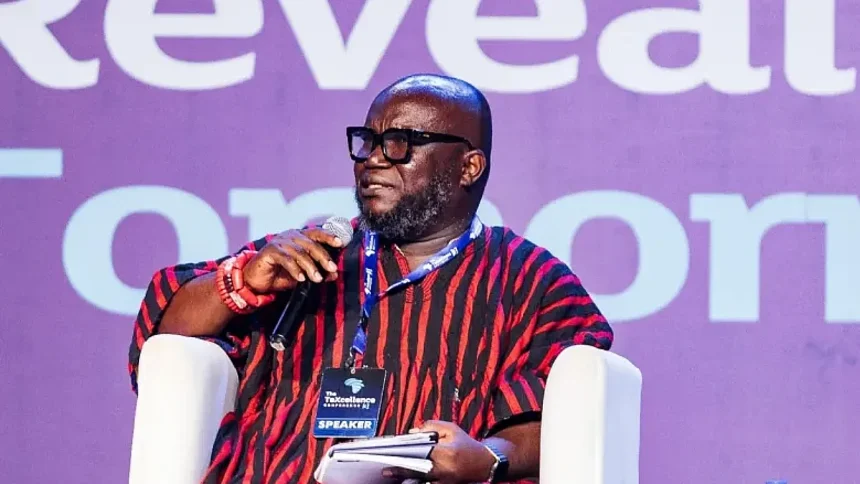
Chief Executive Officer of the Chamber, Dr Ken Ashigbey, said local content and beneficiation are important, but the cost implications must be addressed through collaboration between government and industry.
“Before I even get to the time scale, in terms of the issue about the cost, you know, and again, we should all realise the fact that you know, when you want to do this local content, it comes with some cost.”
He said government must also contribute to making local refining commercially viable.
“But again, all of us need to chip in into it. The more we do in this country, and the more we all work together, government needs to put its skin in the game.”
Dr Ashigbey pointed to taxes and levies imposed on the mining sector as one area government would have to reconsider.
“The issue, of course, is that the taxes and the levies that are on the government would have to look at that, and I know that conversation is going on.”
He also said private refinery operators must invest in technology to lower refining costs.
“The issues of these private sector people who own the refineries in terms of the technology that they need to put in to be able to ensure that they reduce their cost, it’s something that we need to do.”
Energy costs are another concern.
“The issues of even power, you know, currently the cost of power, so there might be some policy decisions that would have to be taken.”
He suggested that the importance of gold refining could justify special consideration in Ghana’s energy mix.
“Because of the criticality of the refinery, is it possible that in the energy mix, we will give them, you know, a lot more of the hydro that is cheaper?”
Dr Ashigbey also pointed to proposed solar investments in the 24-hour economy as another way to reduce energy costs.
“The conversations, the 24-hour economy is thinking of putting together some solar, you know, large solar plants, you know, and which will reduce the cost of energy to around 3 to 4 cents per kilowatt-hour.”
His comments come as Ghana intensifies its push to retain more value from its gold before export. GoldBod has directed Self-Financing Aggregators to refine gold doré in Ghana before export from September 1, 2026.
The cost is to be borne by the aggregator or its approved Offtaker.
The directive is part of Ghana’s wider objective of ending raw mineral exports by 2030. GoldBod has also secured an agreement to purchase 30% of large-scale mining companies’ gold output locally in doré form and have it refined locally.
Dr Ashigbey believes the broader objective is worthwhile but says the burden must not fall disproportionately on industry.
“So I think that this is the issue of beneficiation is a good thing for us, and, you know, all of us need to chip in.”
“But it has to be done collaboratively. Government need to embrace industry to all work together so that we all can reduce the cost of doing this, because we’re looking at the issues of value.”
He said mining companies are already carrying an additional financial burden under the current arrangements.
“So there’s some pain again, like the large scale, for example, the GANRAP, we are starting with a 0.55 when we are doing a weighted average of 0.098. So that’s some extra subsidisation that we’re doing for government.”
He maintained that the way forward is for the government and investors to work together to reduce the policy’s cost.
“But we all need to work together as a collective, as a country, as investors working together with government to reduce the cost.”