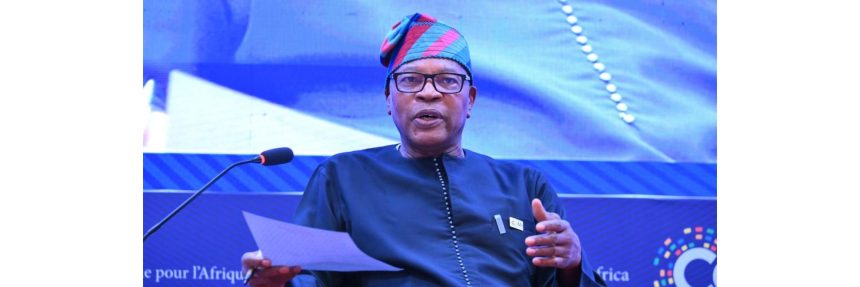
African Union High Representative for Silencing the Guns, Mohamed Ibn Chambas, has urged Ghana to reform its education system by placing greater emphasis on innovation, creativity and ethical leadership instead of focusing mainly on academic certificates.
Speaking at the second Mfantsipim Sesquicentennial Lecture on Wednesday, July 29, 2026, Dr. Chambas said the country’s education system must continue to adapt to meet the demands of a fast-changing world.
He stressed that schools should equip young people with the skills to compete internationally, create businesses and contribute to national development.
He challenged stakeholders to reflect on whether Ghana’s schools are producing graduates who can thrive on the global stage.
“The question is, is our educational system churning out products who can compete globally? Are we nurturing innovators capable of creating jobs rather than merely seeking employment?” he asked.
Dr. Chambas said education should not be measured only by the number of certificates students obtain. Instead, he said it should help develop character, integrity, wisdom and practical skills that prepare learners for life and work.
“Education is not merely about acquiring certificates. It is about forming character, cultivating wisdom, nurturing integrity, and preparing women and men who possess intellectual excellence, relevant technological skills, and moral courage and character,” he said.
He noted that a strong education system can strengthen democracy, shape responsible citizens and prepare young people to become job creators rather than job seekers.
Dr. Chambas also questioned whether Ghana’s current education system is producing citizens who value diversity, uphold constitutional democracy and reject corruption.
“Are we raising citizens who respect diversity, defend constitutional democracy, and reject corruption? Are we equipping our young people to harness artificial intelligence while preserving the ethical values that define our humanity?” he asked.
He described these as important national questions that require honest reflection, especially as Ghana seeks to make its education system more relevant in an increasingly technology-driven global economy.
Dr. Chambas therefore called on policymakers, teachers and other stakeholders to work together to ensure that education develops innovative, ethical and globally competitive citizens who can drive Ghana’s future growth and development.