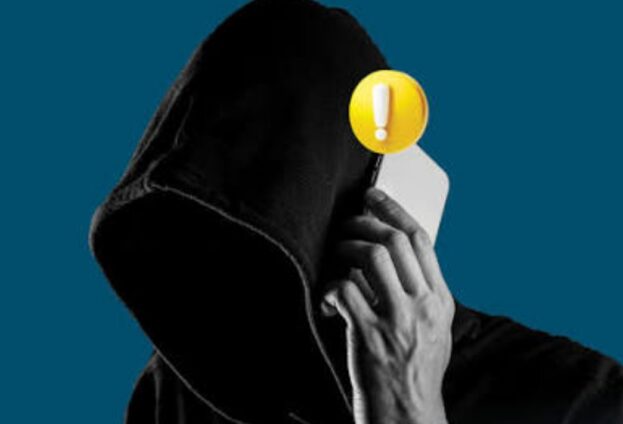
The caller introduces themselves as a customer service representative from your mobile money provider.
They speak confidently, know your name, and explain that there is a problem with your account. To protect your funds, they say, you need to confirm a code that has just been sent to your phone.
Feeling pressured, you follow the instructions. Minutes later, your account is empty.
This scenario has become all too familiar in Ghana. Despite continuous public awareness campaigns, mobile money fraud remains one of the most common forms of cyber-enabled crime affecting individuals across the country. The success of these scams does not depend on sophisticated technology. Instead, it relies on convincing people to make quick decisions without verifying who they are speaking to.
Why Mobile Money Has Become a Target
Mobile money has transformed the way Ghanaians save, send, and receive money. It has expanded financial inclusion, supported businesses, and made transactions easier than ever before.
Unfortunately, the popularity of mobile money has also made it an attractive target for criminals.
Fraudsters understand that people rely on these services every day. By pretending to represent trusted organizations, they exploit confidence and urgency to persuade victims to reveal confidential information or approve fraudulent transactions.
The Tricks Fraudsters Use
Cybercriminals rarely begin by demanding money. They often begin by building trust.
Some claim that money has mistakenly been transferred into your account and ask you to send it back. Others pretend to be investigating suspicious activity and insist that your account will be blocked unless you cooperate immediately.
Another common tactic is offering fake promotions, prizes, or employment opportunities that require victims to make a small payment or share sensitive account details.
These scams succeed because they create pressure. Victims are encouraged to act immediately instead of taking a moment to think critically.
The Psychology Behind the Scam
Successful fraud is often less about technology than human behavior.
Criminals take advantage of emotions such as fear, excitement, sympathy, and urgency. They know that when people feel rushed or worried, they are less likely to question unusual requests.
This is why fraudsters frequently insist that a matter is “urgent” or “confidential.” Their objective is to prevent victims from seeking advice or verifying the information independently.
How to Protect Yourself
While fraudsters continue to develop new techniques, there are practical steps everyone can take to reduce their risk.
Never share your PIN, password, one-time verification code, or security questions with anyone over the phone, regardless of who they claim to be.
Be cautious of unsolicited calls requesting immediate action. If you receive such a call, end the conversation politely and contact your mobile money provider using their official customer service number.
Read every prompt carefully before approving a transaction. If something does not seem right, stop and verify the request.
Keep your mobile device protected with a screen lock and update your applications regularly to reduce security risks.
Finally, discuss these scams with family members, particularly older relatives and young adults, who are often targeted because they may be less familiar with emerging fraud techniques.
Cybersecurity Begins with Awareness
Technology providers continue to improve security, but technology alone cannot eliminate fraud. The strongest defence remains an informed public that recognizes warning signs before criminals succeed.
Every conversation about online safety, every shared warning, and every cautious decision contributes to a safer digital environment.
Final Thoughts
Mobile money has become an essential part of everyday life in Ghana, and its benefits are undeniable. However, convenience should never replace caution.
Cybercriminals are constantly searching for new ways to exploit trust, but they cannot succeed without a willing victim.
Before responding to an unexpected phone call, sharing personal information, or approving a transaction, take a moment to pause and verify.
That brief moment of caution may protect not only your money but also your peace of mind.
As our digital economy continues to grow, cybersecurity awareness must grow with it. Staying informed is no longer optional, it is an essential life skill for every one