The PALI Center for Transformative Society has endorsed the Council of State’s advice on the proposed Dual Citizenship Amendment Bill, calling on Parliament to carefully consider the long-term implications of the legislation before making any constitutional changes.
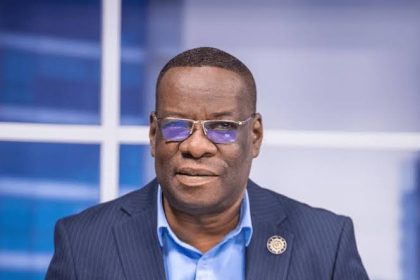
In a statement signed by its Policy Strategist and Lead Director, Chief Icon Frank Papa Kwabena Kumi, the policy think tank described the Council of State’s position as “prudent and timely,” arguing that reforms relating to citizenship and eligibility for public office should be approached with caution to safeguard Ghana’s national interest.
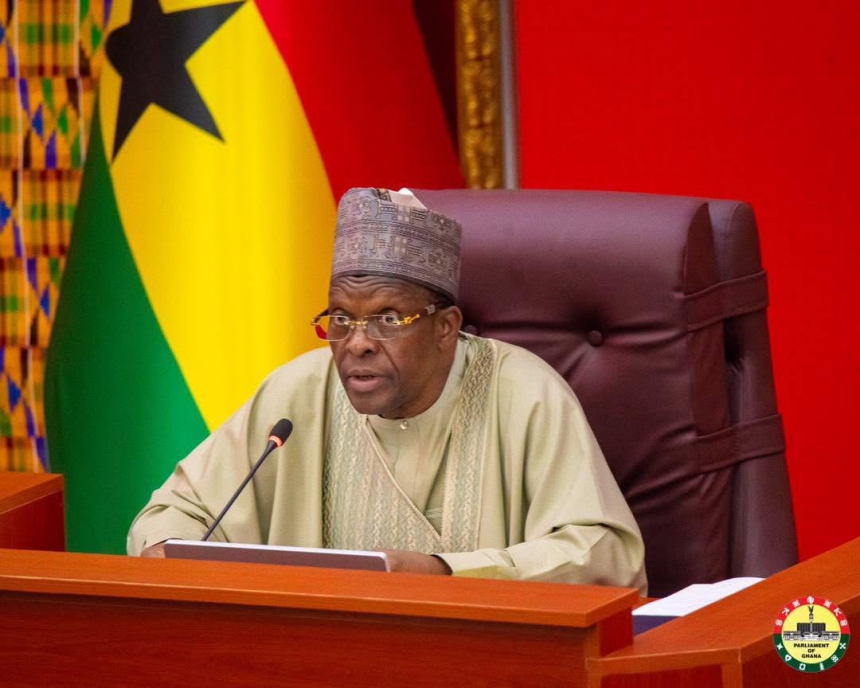
The Council of State’s concerns were communicated to Parliament by Speaker Alban Sumana Kingsford Bagbin on July 7, 2026, as lawmakers continue discussions on proposals to amend constitutional provisions governing dual citizenship and qualification for certain public offices.
The PALI Center warned against repeating past legislative experiences where well-intentioned laws encountered significant implementation challenges. It cited the Representation of the People (Amendment) Act, 2006 (ROPAA), which was introduced to allow Ghanaians living abroad to vote but has faced legal, administrative, financial and logistical obstacles that have prevented its full implementation for nearly two decades.
According to the think tank, the ROPAA experience demonstrates the need for lawmakers to fully assess the practical consequences of major constitutional reforms before they are enacted.
While acknowledging the important role dual citizens play in Ghana’s development through remittances, investments, entrepreneurship, skills transfer and professional expertise, the Centre questioned the need to amend existing constitutional requirements for holding sensitive public offices.
It argued that the Constitution does not permanently bar dual citizens from occupying such positions but simply requires individuals seeking those offices to renounce their foreign citizenship as proof of exclusive allegiance to Ghana.
The organisation maintained that the concerns of the framers of the 1992 Constitution, including divided loyalty, national security, conflicts of interest, diplomatic considerations and public accountability, remain relevant in today’s increasingly interconnected world.
It therefore urged Parliament to heed the Council of State’s advice and ensure that any decision on the Dual Citizenship Amendment Bill prioritises Ghana’s long-term interests over short-term political considerations.