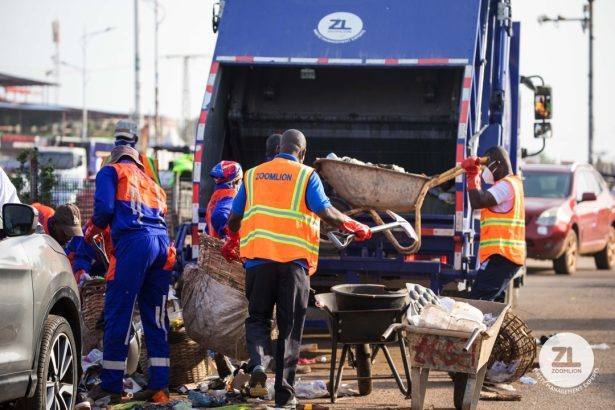
The Accra Metropolitan Assembly (AMA) has announced a one-month free refuse collection exercise across the capital as part of efforts to improve sanitation and clear accumulated waste in flood-affected communities.
The initiative, which begins immediately, forms part of the Assembly’s broader response to sanitation challenges following recent heavy rains that caused flooding in several parts of Accra.
The Mayor of Accra, Michael Kpakpo Allotey, announced the programme during a visit to affected communities, where he assessed sanitation conditions and engaged residents on ongoing clean-up efforts.
According to him, the intervention is aimed at encouraging residents to dispose of waste that has built up in their homes and surroundings without having to pay any fees during the period.
He explained that poor waste management and blocked drains were among the factors that worsened flooding in parts of the city, making the clean-up exercise necessary.
“We have observed significant waste build-up in affected communities, which contributed to flooding and poses environmental health risks,” the mayor said.
As part of the initiative, the AMA has also introduced a dedicated WhatsApp reporting line, 054 491 4628, for residents to report refuse accumulation and other sanitation-related issues for quick response by the Assembly.
The Assembly noted that sanitation officers have been deployed across the metropolis to supervise the exercise, ensure proper collection of waste, and guide residents on designated disposal points.
Officials say the free collection programme is expected to help reduce environmental pollution, clear clogged drains, and improve public health conditions in affected areas.
The AMA also expressed hope that the initiative will encourage residents to take greater responsibility for waste disposal and support ongoing efforts to maintain a cleaner city.
The Assembly added that sustained public cooperation is necessary to prevent future flooding and reduce sanitation-related diseases, especially during the rainy season.