
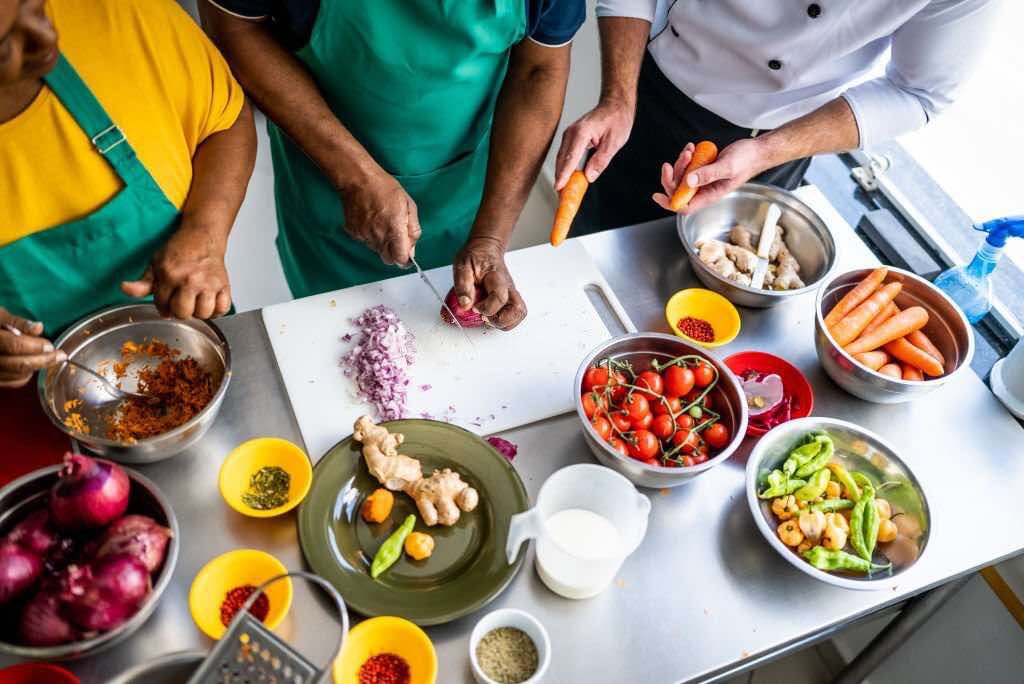
Sitting comfortably in your room, scrolling through your phone, and having food delivered to your doorstep by a rider feels fantastic. No sweating in the kitchen. No chopping onions.
No washing plates. Just a few taps, a short wait, and your meal arrives neatly packaged and ready to eat. In a world where convenience is king, food delivery has become part of our everyday lifestyle.
But beneath the ease and comfort lies a quiet question: at what cost? While ordering in saves time and effort, consistently choosing convenience over cooking may be costing you more than you realise — financially, physically, and even emotionally.
Home cooking, though sometimes seen as stressful or time-consuming, offers benefits that extend far beyond the kitchen. Here’s why prioritising home cooking is still one of the smartest lifestyle decisions you can make.
1. Better Control Over Your Health
When you cook at home, you control what goes into your food. You decide:
- The amount of oil used
- The type of ingredients selected
- The portion sizes
- The salt and sugar levels
Many restaurant and fast-food meals contain excessive salt, unhealthy fats, and hidden sugars to enhance taste and preserve shelf life. Over time, this can contribute to weight gain, high blood pressure, diabetes, and other lifestyle-related conditions.
Home cooking allows you to use fresh vegetables, lean proteins, whole grains, and healthier cooking methods such as steaming, grilling, or boiling. You can also adjust recipes to meet your dietary needs, whether you are reducing carbs, cutting sugar, or increasing protein intake.
2. Significant Financial Savings
Eating out regularly can quietly drain your finances. A single restaurant meal may seem affordable, but repeated purchases over weeks and months add up quickly.
Cooking at home:
- Reduces daily spending on food
- Allows bulk buying and meal planning
- Minimises impulse purchases
- Helps you avoid delivery fees and service charges
By preparing meals at home, you gain better control over your food budget and can redirect savings toward other priorities such as investments, education, or personal projects.
3. Stronger Family Bonds
Food has always been a powerful connector. Cooking at home encourages shared experiences:
- Parents teaching children family recipes
- Couples preparing meals together
- Families gathering at the dining table
These moments create memories and strengthen relationships. In many households, eating together improves communication and emotional connection. It provides an opportunity to check in, share stories, and build a sense of belonging.
In a world dominated by screens and busy schedules, home-cooked meals can bring families back to meaningful interaction.
4. Improved Food Safety and Hygiene
When you cook at home, you are more aware of hygiene practices:
- Washing vegetables properly
- Ensuring meat is well-cooked
- Avoiding cross-contamination
- Storing food safely
While many restaurants maintain high standards, you cannot always be certain how your food is handled. Home cooking reduces the risk of food contamination and gives you confidence in the cleanliness of your meals.
5. Portion Control and Weight Management
Restaurant portions are often larger than necessary, encouraging overeating. Combined with high-calorie ingredients, this makes weight management more difficult.
At home, you can:
- Serve moderate portions
- Avoid unnecessary side dishes
- Control high-calorie toppings
- Reduce late-night snacking
Home cooking supports mindful eating habits and helps maintain a healthy weight over time.