
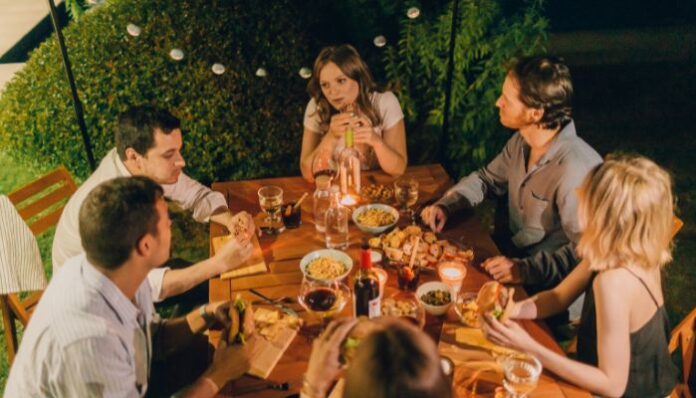
A tapas night at home gives everyone the chance to try several dishes without the formality of a three-course dinner. A bowl of olives, warm potatoes, tomato bread and a few slices of cheese can create a generous table without requiring complicated recipes. The challenge is choosing dishes that work together and preparing sensible quantities.
You do not need to recreate a restaurant menu. For your first evening, choose five or six dishes, combine cold options with one or two hot ones, and leave yourself enough time to enjoy the meal. A little planning makes the difference between relaxed sharing and an evening spent rushing between frying pans.
1. Decide whether tapas will be the meal.
Start by deciding what you are feeding people for. Small bites before dinner need much less food than an evening where tapas replace the main meal. Also consider when guests last ate, whether you are serving dessert, and how long the gathering will last. TryNew Foods
For a full meal, include something filling, such as Spanish tortilla, alongside vegetables, bread and an optional meat or seafood dish. For drinks and nibbles, olives, cheese, tomato bread and a small warm dish may be enough. Ask about dietary requirements before shopping so that everyone has several things they can enjoy.
2. Build variety without making everything yourself.
A good tapas menu offers different textures and flavours. Something salty, something fresh and something warm will usually make a more enjoyable spread than several similar fried dishes. Ready-to-serve ingredients are useful here because they let you concentrate on the cooking that matters.
Olives and sliced cheese can go straight into serving dishes. Roasted peppers from a jar need little more than draining and dressing. Tomato bread brings freshness: grate ripe tomatoes, season to taste, and spoon them onto toasted bread shortly before serving. Keep the topping separate until the last moment to prevent sogginess.
Choose either tortilla or patatas bravas as your filling potato dish. Making both is possible, but it adds work and can make the menu feel repetitive. Sautéed mushrooms or roasted vegetables provide a useful alternative texture. If you want a hot protein, garlic prawns or small meatballs can complete the meal.
3. Use portions as a planning guide.
There is no fixed tapas portion because the dishes vary so much. The following quantities are a starting point for four adults sharing tapas as their evening meal, with average appetites. Adjust them if your guests prefer larger meals or if you remove one of the dishes. This is a substantial spread when served together; the ingredients are not separate full meal portions. If you include the prawns, you may need less cheese or bread. For pre-dinner snacks, reduce the spread considerably and skip the large tortilla. Keep extra bread available rather than putting everything out at once.
4. Shop for ingredients you will use again.
Most of the menu can come from an ordinary supermarket. Potatoes, eggs, tomatoes, garlic and mushrooms are familiar ingredients with plenty of uses beyond tapas. For specialist purchases, think about what you will cook next: olive oil and paprika are useful cupboard staples, while a large pack of cured meat needs a more immediate plan.
For shoppers looking for Spanish food online in the UK, EuropaFoodXB is a UK online grocery store with a European food selection that can complement a local supermarket shop. Use it as a place to check for ingredients associated with the menu you have chosen, rather than building the menu around whatever catches your eye. Compare pack sizes, read storage instructions and allow for delivery when planning the evening. TryNew Foods
Substitutions can keep the shopping manageable. Use a suitable firm cheese if you cannot find the exact Spanish variety you wanted. A straightforward garlic and olive oil dressing can make ordinary mushrooms feel right at home on the table. The overall balance matters more than having a specialist ingredient in every dish.
5. Prepare in a sensible order.
The day before, check your serving plates, buy ingredients and prepare anything suitable for advance preparation. Wash vegetables, organise your fridge and make sauces according to their recipes. Avoid leaving several unfamiliar recipes until the afternoon guests arrive.
On the day, cook the tortilla early enough to take the pressure off the final hour, then store it appropriately until serving. Prepare cold ingredients and keep perishables refrigerated. Set the table before starting the dishes that need immediate attention. Having bowls and serving spoons ready removes a surprising amount of last-minute work.
When guests arrive, offer the cold dishes first. Bring out the warm vegetables and potato dish next, followed by anything that is best eaten straight from the pan. This creates a natural rhythm and means everything does not have to be ready simultaneously.
6. Make sharing comfortable.
Small plates and accessible serving utensils make the evening easier. Put sauces in separate bowls, provide somewhere for olive stones, and cut bread into manageable pieces. A cramped table is less inviting than a few dishes with room around them, so replenish rather than overcrowd.
Offer water alongside any other drinks, and include an alcohol-free option that feels considered. Sparkling water with citrus or a simple fruit drink is sufficient. Keep allergen information available, especially for seafood, eggs, milk and bread, and use separate utensils where needed.
7. Finish with manageable leftovers.
Keep reserve portions refrigerated and bring them out as needed. After the meal, deal with suitable leftovers promptly rather than leaving the table until bedtime. Follow the storage guidance for each ingredient and discard anything that has not been handled safely.
A successful tapas night depends on a manageable menu, not an impressive number of plates. Choose contrasting dishes, prepare enough to share comfortably, and organise the cooking so that you spend most of the evening at the table.