It was the morning of Wednesday, 12th November, 2025. It was the day the Ghana Armed Forces (GAF) had scheduled for the 2025/2026 intake. The process was to be conducted in all sixteen regional capitals across Ghana.
Some potential recruits arrived at the El-Wak Sports Stadium, the stadium owned by the military, which served as the venue for the Greater Accra Regional recruitment, 11 pm of the day prior. Many others joined in the early hours of Wednesday, in hopes of securing a good spot before the recruitment process commenced.
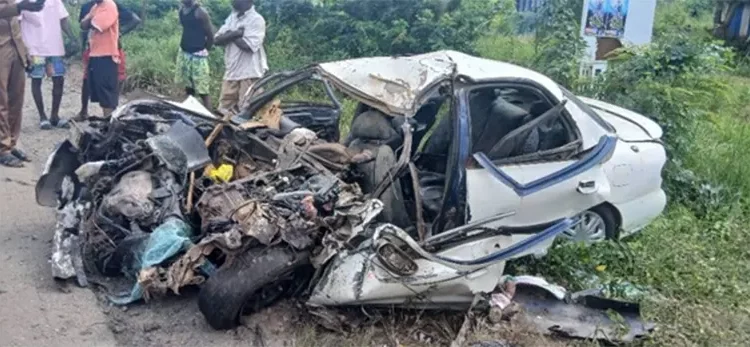
By the time the gates to the stadium were opened at about 6am, there were about 21,000 young men and women present to go through the process. In their rowdiness to enter El-Wak, a stampede occurred. According to official figures released by the GAF, six potential recruits have died, 5 are in the Intensive Care Unit and the remaining are fairly stable.
How did we get here?
The first question that came to mind when I saw the crowd at the stadium (and at all the other venues nationwide) was “Are all these people passionate about joining the military”? One needn’t be a soothsayer or prophet to know the answer.
Over the years, the youth of Ghana have been confronted with the worsening situation of unemployment. The Ghana Statistical Service’s 2023 Labour Force Report paints a grim picture: nearly 39 percent of young people are unemployed.
Among those who are fortunate enough to have found jobs, two-thirds are stuck in vulnerable jobs—poorly paid, unstable, and with no social protection. Again, 1.25 million youth are not working, not in school, and not in training.
Also, 68 percent of employed youth are in insecure jobs. Leaders and experts have spoken about how dangerous this current state is. Recently, the Youth Minister George Opare Addo described youth unemployment as a “time bomb” threatening national stability.
He warned that 68 percent of employed youth are in insecure jobs and called for urgent action. According to the Ghana Education Sector Report, about 109,874 graduates from the university education annually get their completion. However, only 10 per cent of this number secures regular jobs within that period of their graduation.
What do these statistics imply?
One may ask why I am boring my reader with all these statistics. These figures point to the fact that our nation’s youth; talented, skilled and driven, are frustrated and depressed by the limited opportunities to contribute to the workforce and to earn a decent living. Living this sad reality means sometimes being seen as a financial burden by parents/guardians and being treated badly as a result. Faced with the cumbersome and labourious task of securing jobs, several young people have turned to antisocial behaviors such as drug abuse, armed robbery, sex trade and cyber fraud.
Those who can mobilize the funds, leave for the Western world in search of greener pastures. With this context provided, it now makes sense for thousands of young people to throng such venues for recruitment into the military. Most of them there are in search of stable and well-paid jobs, a promise they believe serving in the military will fulfill.
They simply want to be able to afford the basic necessities of life. Unfortunately, we are told that out of the 30000 people who qualify to be recruited, there is space this recruitment season for only 4000. How sad! The situation is no different from trained teachers in this country.
None of my classmates, all of whom Bachelor’s Degrees in Education and have sat and passed the teacher licensing exam by the National Teaching Council of Ghana have been posted to teach in schools, since our completion in 2022. We are part of the tens of thousands of qualified teachers who sit at home whilst the teacher to student ratio gets worse by the day.
Parliament’s reaction and matters arising.
The afternoon of 12th November,2025, Mr. Alban Babgin, Speaker of Ghana’s Parliament, announced the unfortunate incident to the law-making body of the country. He asked that a minute silence be observed in honour of the departed souls and offered a message of condolence to the bereaved families. He invited Members of Parliament to share their views on the news.
Many lawmakers stood to their feet to commiserate with the families that had lost their loved ones. One of the contribitions that has generated a lot traction online was made by Madam Laadi Ayii Ayamba, Member of Parliament (MP) for Pusiga Constituency.
According to her, nothing could have been done to have prevented this national disaster. According to her, these deaths were ordained by the Almighty Allah (SWT). She remarked : “There is nothing that happens that doesn’t happen at the right time. This is what the Almighty Allah has ordained for them… Even if we brought all the presidents in the world to sit there as ministers or whatsoever, once today is ordained for them to die, they would.”
Whilst sereval netizens took to register their displeasure at the comments of the Pusiga MP, saying that it showed a lack of compassion and empathy for the bereaved families, others said she simply stated the position of Islam on the subject of death and did not intend to be insensitive or deepen the pain of the grieving.
From the public outrage the comments by the Pusiga MP attracted, it is abundantly clear that the Ghanaian society expects more accountability from our elected officials. The public reaction shows that those in positions of authority cannot hide behind divine intervention in situations where human error must be called out and sanctioned.
This reaction is a wakeup call to our society to take a second look at how we throw Scripture at people who are grieving without taking their emotional and psychological well-being into account. Maybe, we must relearn how to comfort the grieving and hurting without further deeping their pain and sorrow.
The way forward
This incident that has claimed six (6) lives and injured many more should serve as the rude awakening the nation needed to reform the manner in which security services recruit new people into their ranks.
I am still surprised that the military, known for their discipline and orderliness, could oversee such chaos. Who are those who were responsible for planning the recruitment process and what were the factors they took into consideration? Maybe one day we will find out when the committee that has been set up to conduct an investigation into the matter publishes it’s findings.
Again, the government, in collaboration with the private sector, must find ways to aggressively fight the epidemic of youth unemployment.
Some have suggested entrepreneurship as the game-changer but do not equip the youth with the requisite skills and resources in order to bring their brilliant ideas into friuiton.
The flagship campaign promise of this current administration was to create jobs through the 24-hour-economy policy. I eagerly look forward to the implementation of that policy. In the meantime, the youth of Ghana wallow in hopelessness. Who will bring us hope?