
Every parent wants to make life easier for their children. It is natural to want to protect them, solve their problems, provide for their needs and shield them from difficulties. But sometimes, in trying to give our children the best, we unintentionally take away an important gift they need for life: independence.
Teaching children to be independent should become a normal part of parenting. It is not about abandoning children or refusing to help them. It is not about making them carry responsibilities beyond their age. Independence is about gradually preparing them to handle life with confidence, courage and competence.
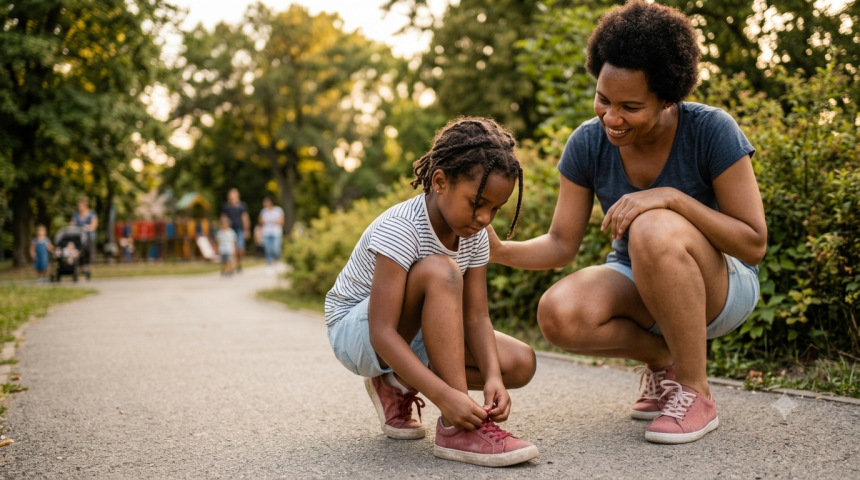
A child who learns to do things for themselves from an early age develops a sense of responsibility and self-belief. Simple tasks that may seem insignificant at first can have a lasting impact. Teaching a young child to wear their own clothes, lace their shoes, pack away their toys after playing, tidy their space or help with age-appropriate household chores are small steps towards building a capable adult.
Many parents struggle with allowing their children to try because it may be faster and easier to do everything for them. A parent can dress a child quicker, pack their bag better or complete a task more neatly. But when we constantly do everything for children, we may deny them the opportunity to learn, make mistakes and grow.
Independence is built through practice.
As children grow older, parents can introduce more responsibilities. They can teach them how to manage small amounts of money, save part of their allowances, make simple decisions and take ownership of certain tasks. Even sending an older child to a nearby shop to buy something or allowing them to complete small errands can help them develop confidence and problem-solving skills.
The goal is not to raise children who do not need their parents. The goal is to raise children who can function well even when their parents are not physically present.
Life will not always be gentle. There will be moments when children have to navigate challenges, make choices and adapt to unfamiliar situations. A child who has been taught independence is more likely to approach difficulties with a solution-oriented mindset rather than helplessness.
Independence also benefits parents. Raising children comes with many responsibilities, and having children who can contribute, assist and handle certain things responsibly reduces some of the pressure on parents. It creates a healthier relationship where children are not only recipients of care but also active participants in family life.
However, independence should never be confused with neglect. Children still need love, guidance, protection and emotional support. A parent’s role is not to withdraw but to guide from the side to provide the foundation while allowing children the space to grow.
The truth is that one day, every child will have to face the world beyond the comfort of their parents’ homes. Parents cannot always be there to speak for them, make decisions for them or rescue them from every situation.
The greatest gift a parent can give is not only a comfortable childhood but also the confidence and skills needed for adulthood.
An independent child is not a child who has been left alone. An independent child is one who has been prepared.
And when children are equipped to stand on their own feet, it benefits everyone, the child, the parent and the society they will eventually become part of.