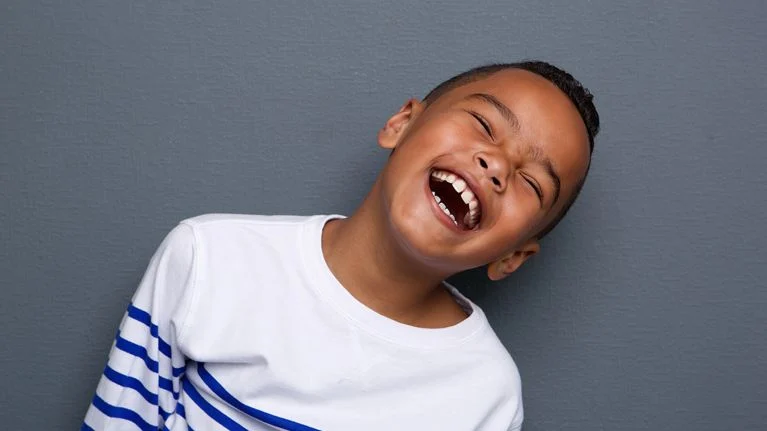
A healthy sense of humor is one of the most desirable personality characteristics to develop. It is one of the most common positive self-descriptions and one of the most preferred characteristics when meeting new friends and even potential dates or mates. Psychological and medical research has confirmed the many benefits of humor making and humor appreciation for us all (Franzini, 2025).
An adult person’s well-developed sense of humor is highly correlated with a feeling of self-confidence, social friendliness, relaxation, ease in meeting new people, workplace benefits, hiring and promotions success, general communication skills, and the frequently cited strong binding influence in long term relationships. Physical benefits of laughter have been found to affect muscle relaxation for up to 45 minutes, diminish threat-induced anxiety and reduce blood pressure, lower toxic hormones in the bloodstream, improve oxygen saturation levels in the blood, and even more (Bennett & Lengacher, 2006).
First, we must destroy the frequent misunderstanding that our sense of humor is innate or that someone is just born with it. Not so! The ability to learn, understand, appreciate, and deliver humor are very much acquired skills. The best sources for children to learn these skills are the behaviors of their parents, and even teachers and caretakers in nursery schools. What is most effective is for adults to model humor making in the presence of the children and to reward humor making when a child attempts a joke or laughs at some comical event in person or on TV.
Adults can laugh along, create humor on the spot, and even, early on, try to make up some funny lines with the child. Even a child as young as 2 can help compose funny sayings or drawings. For example, one of the funniest things to a very young child is a picture of a bicycle with square wheels. Clearly, your modeling of humor must conform to the child’s intellectual development at that time. When adults are laughing, children will feel comfortable and typically join in with the fun.
One personal example of how humor skills can be readily learned is that my own son Sam chose to do a stand-up routine in the fifth grade at his elementary school’s annual talent show for parents and friends. He did well, and his humor efforts were rewarded by the audience’s vigorous response. It also verified the suggestions being presented here, giving this author pride and personal happiness.
General Strategies for Promoting the Sense of Humor in Children
1. Parents can bring a “joke of the day” to share at the dinner table each evening.
2. Younger children can tell the family about something funny that happened that day in school. Parents can be alert to any inappropriate examples at this time.
3. Watch funny, age-appropriate TV shows and cartoons with the children.
4. Teachers and play group leaders can praise humor attempts by the children in their class.
5. Avoid any antiquated child-rearing philosophies, such as “children should be seen and not heard.” We want all children to be humor creative, appreciative, and assertive in trying out at home whatever they think might be funny in that safe environment.
6. Parents can model humor appreciation by watching their own funny shows on TV. Of course, use caution if the TV happens to be showing “adults only” stand-up comedians who may be offering cursing or discussing sexual topics. They are not our desired comedy models for children.
7. Explore websites that feature “kids’ jokes” with your child and comment together on how funny the examples are.
8. Memorizing some especially funny jokes is certainly relevant, but it runs the risk that your audience has heard that joke before. It can be more fruitful to teach a child about the game of humor spotting, which is to be alert to seeing humorous signs or slogans or behaviors in the child’s world. This exercise involves noting easily misinterpreted or unintentionally humorous stimuli in the world. For instance, restaurant and realty signs, church marquees, and even street signs can be funny. One of my own early favorites was the common street sign: “Slow Children Playing.” My thought in response was, why would they want to advertise such an unfortunate disability?
Humor Guidelines for Children
It’s important to ensure that when children are exposed to humor on TV or by the adults in the home, they will be hearing age-appropriate jokes and non-offensive material. Offensive material, of course, is any humor that is belittling or negatively associated with racial or ethnic minorities, religions, physically or mentally disabled people, known relatives and neighbors, and other obvious targets. If examples do happen, intervene firmly and clearly to indicate that those topics or words are not permitted or welcome here.
The Importance of Adults
Parents, teachers, and other adults in the lives of children have a critical responsibility to encourage and to never punish children’s humor appreciation and humor attempts. We can listen, correct if needed, and laugh along. After all, you are instilling the gift of laughter, which will be a lifetime tool for their success.