
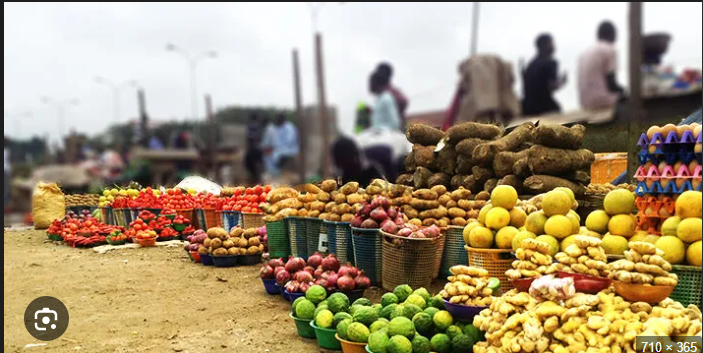
Rising living costs are putting increasing pressure on Ghanaian households, with new data showing that food is taking up a larger share of incomes and pushing many closer to financial vulnerability.
A report by the Ghana Statistical Service (GSS) finds that nearly one in five households spends more than 75 percent of their total expenditure on food, leaving little for essentials like healthcare, education, and housing.
The findings, from the latest Mobile Vulnerability Analysis and Mapping (mVAM) survey, highlight a growing challenge, even when food is available, many households are struggling to afford it.
“Economic pressure matters: households spending a large share of their income on food are more exposed to shocks,” the report noted.
Households that spend the most on food are also more likely to have poor or borderline food consumption, showing a clear link between rising costs and food insecurity.
Increasingly, affordability not access is the main problem.
More than 90 percent of households that could not access markets said it was due to a lack of money, underscoring the impact of income constraints.
The situation is especially difficult for farming households.
About 16.9 percent of those relying on small- and medium-scale agriculture fall into poor or borderline food consumption making them among the most vulnerable, at a rate nearly six times higher than households relying on savings or trading.
Many families are coping by cutting costs switching to cheaper food, reducing portions, and limiting spending on essential services.
However, the Ghana Statistical Service warns this comes with long-term risks.
“Coping is not neutral. It reflects a drawdown on resilience and signals that households are managing today at the cost of tomorrow,” the report stated.
The Statistical Service is calling on policymakers to focus on income stability, expand livelihood opportunities, and strengthen markets to help cushion households.
Without timely action, it warns, rising costs could weaken the fragile stability in food consumption and leave more households at risk of food insecurity.