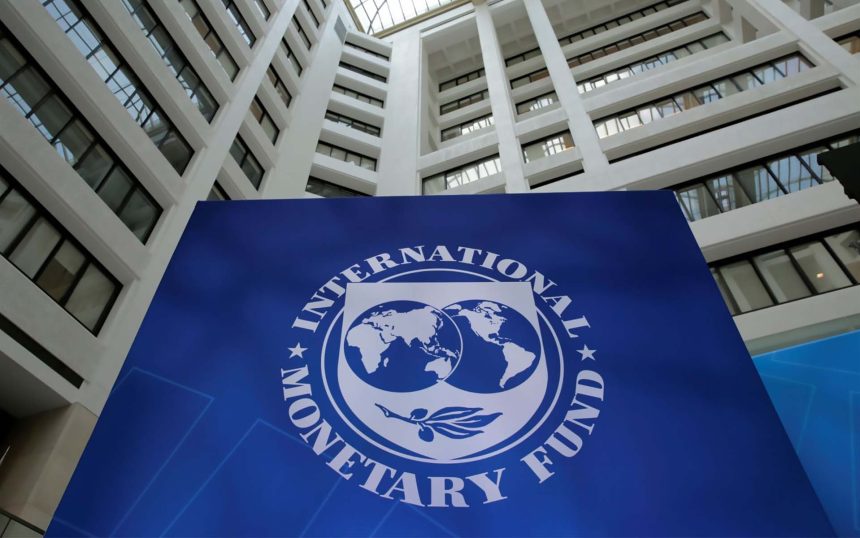
An International Monetary Fund (IMF) staff mission is expected in Accra from April 29, 2026, to conduct Ghana’s sixth and final review under its Extended Credit Facility programme.
The team will stay for about two weeks, with official meetings likely to begin on April 30.
This review is expected to be the last before Ghana exits the IMF programme in August 2026, following a three-year arrangement.
The mission will assess Ghana’s performance since the fifth review earlier this year, focusing on whether delayed targets and structural reforms have been completed or are close to completion.
Key attention will be on the energy sector, especially reforms and debt management, as well as government spending priorities, including funding for social protection.
Discussions will also set the required prior actions for the final review conditions Ghana must meet to access the last tranche of IMF support.
In the financial sector, the IMF will review progress in addressing longstanding challenges in the banking system.
After the visit, the team will return to Washington, D.C. to analyse the data and prepare a report for IMF management and the Executive Board.
This process is expected to take two to three weeks before a Board meeting is scheduled, which could clear the way for Ghana to complete the programme in August 2026.
Although the programme was originally set to end in May 2026, it was extended to August for technical reasons, allowing time to review end-2025 and early 2026 data not because Ghana missed major targets.
Ghana’s programme, approved in May 2023, provides about $3 billion in support.
At the fifth review, the IMF described performance as broadly satisfactory, noting that while some reforms were delayed, overall progress was improving.
Growth exceeded expectations in 2025, driven by strong performance in services and agriculture, alongside improvements in financial sector stability.
Analysts say Ghana’s macroeconomic position has strengthened, supported by reforms.
Foreign reserves have reached record levels, improving the country’s resilience to external shocks.
The IMF projects Ghana’s economy will grow by 4.8% in 2026, slightly above the regional average, while inflation is expected to fall to 7.9% and remain in single digits through 2027.
IMF officials remain optimistic about Ghana’s outlook but stress the need to maintain fiscal discipline after the programme ends to avoid returning to past economic challenges.
A recent IMF technical mission to the Bank of Ghana also recommended strengthening financial stability through better risk monitoring, clearer decision-making structures, and improved macroprudential policies.