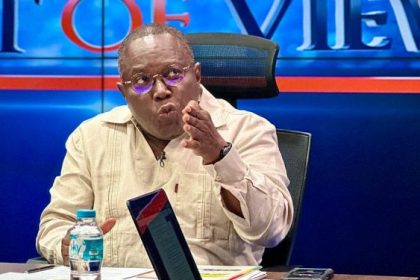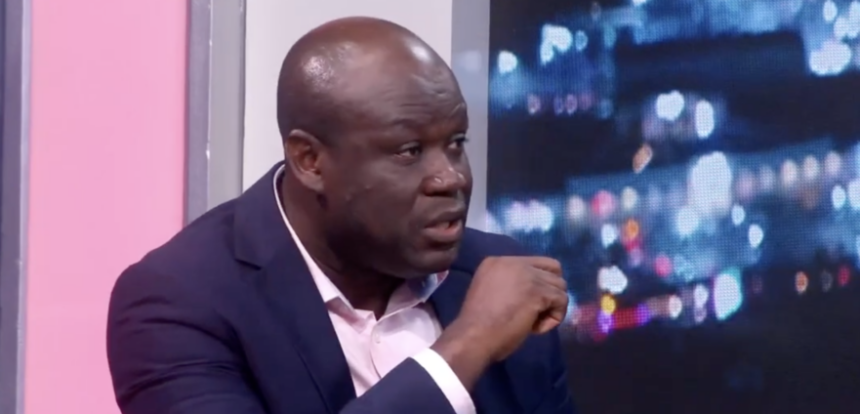
The Executive Secretary of the Chamber of Petroleum Consumers (COPEC), Duncan Amoah, says government’s decision to cushion diesel prices is a welcome move, but insists it falls short of addressing Ghana’s long-term fuel price challenges.
His comments come after the government announced a ¢ 2-per-litre intervention on diesel to cushion consumers following another round of increases in petroleum prices.
Speaking in an interview, Mr Amoah said the intervention offers some relief but cannot be relied upon as a lasting solution.
“I’m happy with government’s intervention, but that is not enough.”
According to him, Ghana needs a permanent, sustainable mechanism to protect consumers from recurring fuel price shocks rather than relying on periodic interventions.
“You will need a longer-term sustainable programme.”
Mr Amoah argued that the country should prioritise building a strategic fuel reserve programme to reduce the impact of sudden price movements on the local market.
“A strategic reserve programme should be the way forward, and not the kind of interventions we are seeing.”
He acknowledged that the government’s decision deserves credit but stressed that such measures cannot be maintained indefinitely.
“It is positive, but it is not sustainable.”
His remarks come as concerns grow over the rising cost of petroleum products and their effect on transport fares, business operating costs and household budgets.
Government’s announcement of the ¢2 diesel cushioning followed fresh increases in petroleum prices, with the intervention aimed at easing the burden on commercial transport operators, businesses and consumers who depend heavily on diesel.
While welcoming the immediate relief, Mr Amoah maintained that Ghana must shift its attention to policies that can provide greater stability over the long term.
He believes a strategic reserve programme would offer a more dependable buffer against global oil market volatility than occasional government interventions.