The organisation warned that such rhetoric undermines established principles of international humanitarian law, which strictly prohibit attacks on civilian infrastructure that could result in widespread harm to non-combatants.
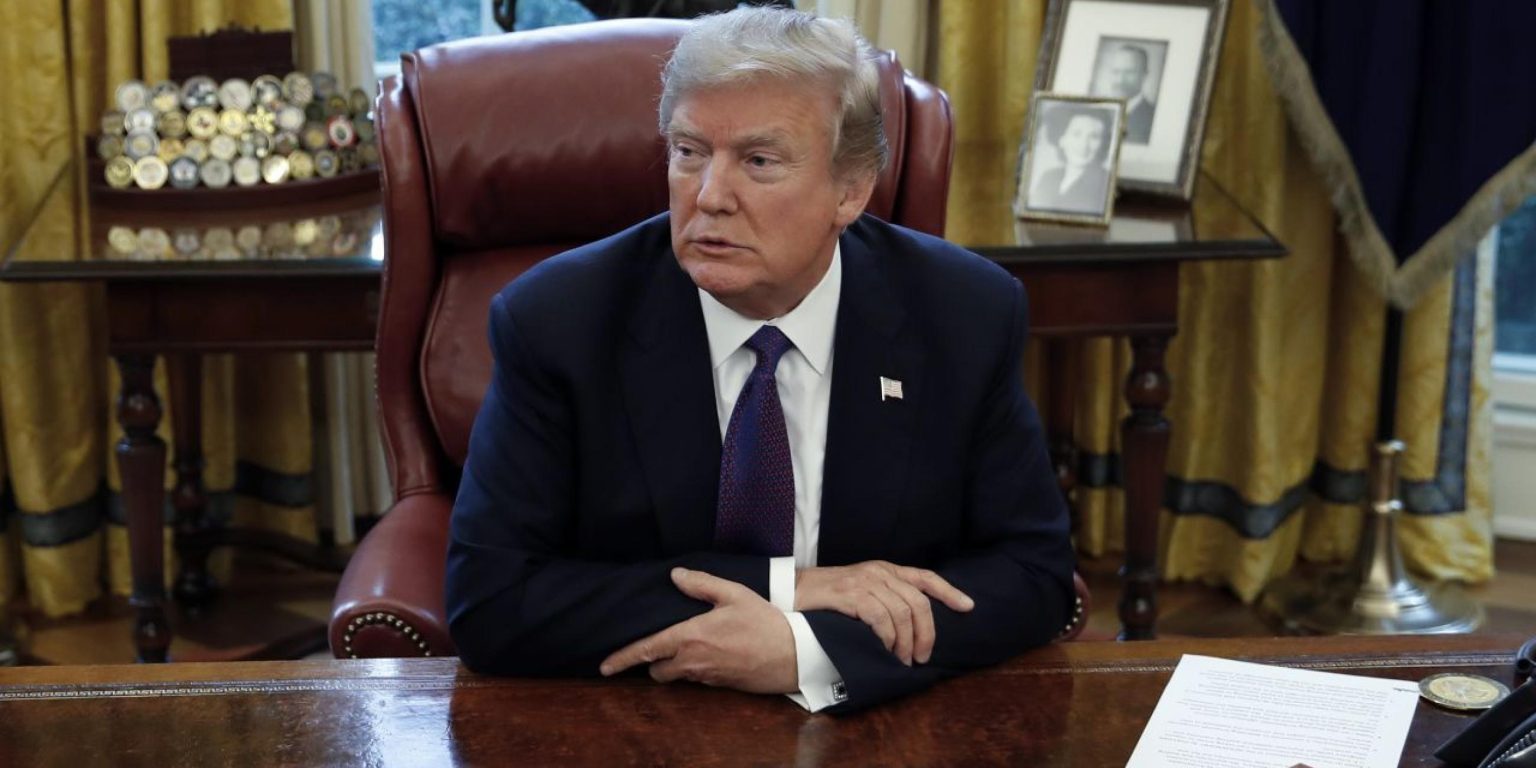
Global human rights organisation, the Amnesty International, has condemned former United States President, Donald Trump, over what it described as “deeply irresponsible” remarks suggesting a possible delay in military strikes on Iran’s power plants and energy infrastructure.
In a statement posted on X (formerly Twitter), Amnesty International criticised Trump’s suggestion that the United States could postpone planned attacks on Iranian energy facilities by five days to allow for discussions on a “resolution of hostilities.”
The organisation warned that such rhetoric undermines established principles of international humanitarian law, which strictly prohibit attacks on civilian infrastructure that could result in widespread harm to non-combatants.
“Trump must retract deeply irresponsible threats that the USA would postpone strikes on #Iran’s power plants & energy infrastructure by 5 days pending the outcome of discussions on the ‘resolution of hostilities’,” Amnesty International said.
It stressed that decisions regarding military operations must not be contingent on political negotiations but should instead be guided by legal obligations to protect civilian lives and critical infrastructure.
The decision to not proceed with such attacks must be based on the USA’s obligations under international humanitarian law to avoid civilian harm – not the outcome of political negotiations,” the group added.
Amnesty International further noted that power plants and energy infrastructure are often indispensable to civilian populations, providing electricity for hospitals, water supply systems, and other essential services. Any deliberate targeting of such facilities, it said, could constitute violations of the laws of war.
Although Trump did not provide further details about the proposed timeline or the nature of the discussions referenced, his remarks have sparked concern among rights groups and international observers over the potential humanitarian consequences of such military actions.