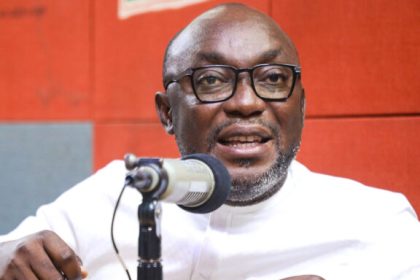
Former New Patriotic Party (NPP) Ashanti Regional Chairman Bernard Antwi-Boasiako, popularly known as Chairman Wontumi, has pleaded not guilty to amended charges in the criminal case involving the Ghana Export-Import Bank (EXIM Bank).
The amended charge sheet, dated September 19, 2026, retains a charge of uttering a forged document under Section 169 of the Criminal Offences Act, 1960 (Act 29), but identifies the document in question as a pro-forma invoice purportedly issued by EPSONS GHANA LIMITED.
According to the charge sheet, Mr Antwi-Boasiako allegedly used the document in 2017 in the Greater Accra Region, knowing it was not genuine, to defraud EXIM Bank officials and obtain GH¢4 million from the bank.
His plea was taken when the case was called on Tuesday, October 13, 2026, following the amendment of the charges.
However, his lawyer, Samuel Atta Akyea, maintains that the dispute stems from a loan facility and should be treated as a civil matter rather than a criminal case.
Mr Antwi-Boasiako and Wontumi Farms Limited have filed a separate suit at the High Court seeking a declaration that the disagreement over repayment of the loan should be resolved through civil proceedings.
The suit names EXIM Bank, the Economic and Organised Crime Office (EOCO) and the Attorney-General as defendants.
The plaintiffs say the loan facility, valued at more than GH¢18 million, was secured to finance a farming project.
They contend that a 10,000-acre parcel of land belonging to Wontumi Farms was provided as mortgage security, while Mr Antwi-Boasiako personally guaranteed repayment in the event of default.
They further claim that EXIM Bank undertook to secure insurance for the facility, but the farming project suffered substantial losses after flooding from four rivers surrounding the property.
According to the plaintiffs, the bank was informed of the difficulties and promised to take steps to activate an insurance package to settle the outstanding loan.
The plaintiffs also accuse EOCO of exceeding its mandate by acting as a debt collector instead of treating the matter as a civil loan dispute.
Mr Atta Akyea insists that the disagreement should be resolved through civil proceedings. The civil suit is separate from the criminal case, in which the allegations remain to be determined by the court.