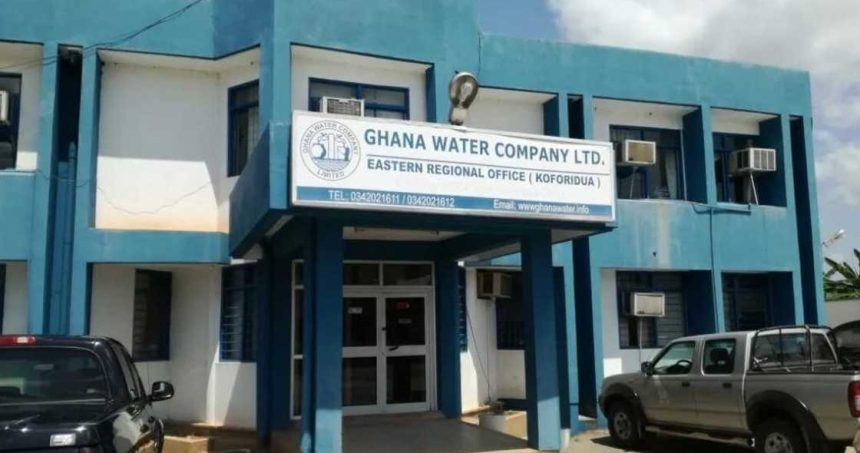
Ghana Water Limited has been ordered to pay US$235 million to Befesa Desalination Developments Ghana Limited (BDDG) following a ruling by an international arbitration tribunal over the Teshie-Nungua desalination project.
The award was issued by the International Chamber of Commerce (ICC) on September 17, 2026, after two arbitration proceedings involving Ghana Water Limited and the Republic of Ghana.
Cox Infrastructure Group, which owns a 95 percent stake in BDDG, announced the decision on September 21.
According to Cox, the amount awarded represents payments due to BDDG following the termination of the water purchase agreement under which Ghana Water bought treated water from the desalination facility.
Interest on the award will accrue from April 1, 2026, until the outstanding amount is fully settled. Ghana Water has also been ordered to contribute to BDDG’s legal costs arising from the arbitration.
The tribunal dismissed most of Ghana Water’s counterclaims, including a US$144.5 million claim against the project company. The Republic of Ghana is also liable under the state guarantee connected to the project.
The dispute centres on the desalination plant, which was developed under a build-own-operate-transfer arrangement. The facility was designed to produce about 60,000 cubic metres of potable water daily and support supply to communities in and around the Teshie-Nungua corridor.
The plant began commercial operations in 2015 but has remained out of service since October 2025 after Ghana Water shut it down amid unresolved contractual and maintenance issues.
The shutdown has affected communities including Teshie, Nungua, Spintex, Sakumono and parts of La, with some residents relying on tankers, boreholes and other alternative sources.
In February 2026, President John Mahama directed the Finance Minister, Attorney-General and Ghana Water to engage the project’s shareholders to find a settlement and facilitate the plant’s return to operation.
The latest ruling, however, adds a major financial obligation to the state, while discussions between the parties over an amicable resolution continue.