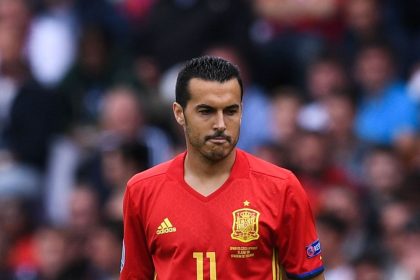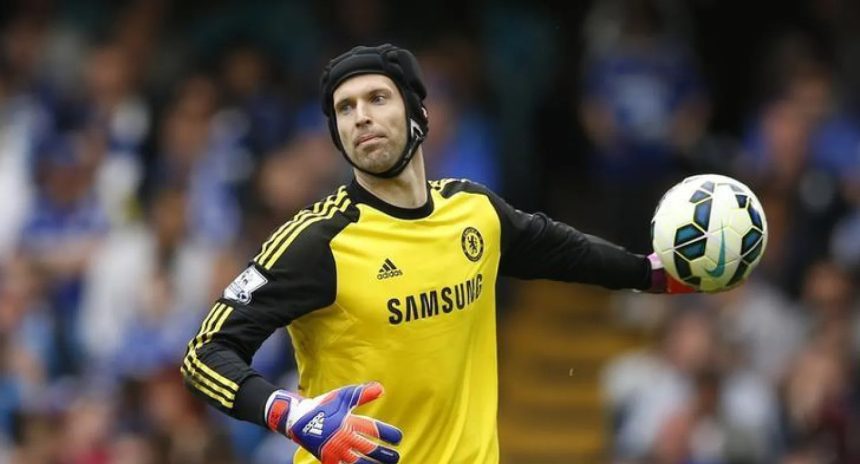
Former Chelsea and Arsenal goalkeeper Petr Čech has sparked debate about the changing mentality of professional footballers after revealing the physical sacrifices he made during his playing career.
Speaking about his time as a player, the Czech football legend disclosed that he played for 16 months with a broken shoulder, enduring intense pain every time he stepped onto the pitch.
“Before my head injury, I played for 16 months with a broken shoulder,” Čech said. “Every time I dived to claim a cross, I had tears in my eyes.”
The former goalkeeper also recalled the physical demands of football during his era, saying players often relied on pain-relieving injections just to be fit enough to compete.
“The injection room used to be full before every match,” he added. “Now, some players don’t want to play because of a little scratch.”
Čech’s comments compare the toughness of previous generations to the modern game, where clubs are increasingly cautious about player welfare and long-term fitness.
Widely regarded as one of the greatest goalkeepers in Premier League history, Čech enjoyed an outstanding career with Chelsea, winning four Premier League titles, four FA Cups, three League Cups, the UEFA Champions League and the UEFA Europa League.
He also made more than 120 appearances for the Czech Republic national team and remains the Premier League’s all-time leader for clean sheets.
Čech is no stranger to playing through adversity. In October 2006, he suffered a life-threatening skull fracture following a collision with Reading midfielder Stephen Hunt during a Premier League match.
The injury required emergency surgery, and after recovering, he famously returned to action wearing the protective headgear that became his trademark for the rest of his career.
In recent years, football has placed greater emphasis on sports science, injury prevention and concussion protocols.
Clubs now have larger medical teams, improved rehabilitation programmes and stricter guidelines to protect players from long-term health risks.
While many supporters admire the resilience shown by players of Čech’s generation, medical experts have argued that playing through serious injuries can lead to lasting physical damage and should not be encouraged.
Modern football increasingly prioritises player health over short-term success.