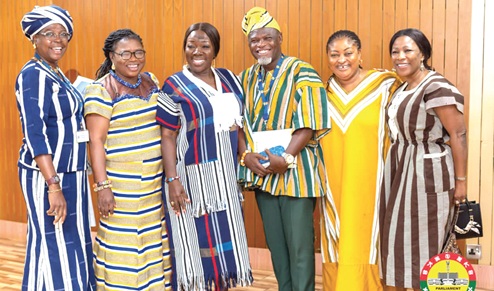
On Friday, President Johan Dramani Mahama will deliver the State of the Nation Address (SONA) in Parliament and this will be a unique occasion for Members of Parliament to demonstrate what it means to stand up together for national unity and cultural heritage.
Coming in the wake of the misunderstandings about the Fugu in Zambia, MPs and state officials alike are expected to put on beautifully woven Fugu or smocks to showcase the pride they have in national identity and heritage.
As an embodiment of the nation’s democratic and cultural values, the readiness of MPs to lead by example is billed to be one of the strongest statements they can make, protecting national identity and cultural heritage.
Discard political differences
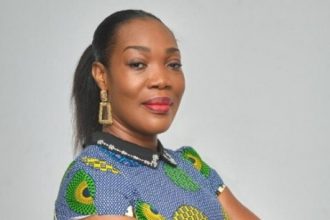
The MP for Essikado-Ketan, Dr Grace Ayensu, expressed this succinctly when she made a statement on the floor of Parliament about the uniqueness of Fugu and Ghana’s heritage on February 11, this year.
“Being adorned in Fugu today signifies its unifying capabilities and it remains a pillar of our Ghanaian identity.
“Fugu has, over the years, won the heart of the entire nation. Its tightly woven nature, interlocking motifs and signature patterns symbolise strength, authority, cultural pride and unity,” she said.
The Deputy Minister of Health told the House how Ghanaians had seen the first President of the land, Dr Kwame Nkrumah, and the “Big Six” declare Ghana’s independence in beautifully hand-woven smocks.
“We have seen other past Presidents and great leaders, regardless of tribe or political affiliation, display the beautiful attire on many occasions and we must complement this,” she said.
While MPs on both sides of the House may want to hold on to their political differences on most of the issues the President’s statement may contain, they must not let such differences overshadow this moment to lead the way in affirming the Ghanaian identity and heritage.
Ibrahim, said it best when she urged colleague MPs to ride on the energy that characterised President Mahama’s Zambian Fugu experience to also stand up and support Ghana’s cultural heritage and complement Ghanaians’ defence of the Fugu.
“We need to make a huge statement together to the world that we take our clothing and our culture seriously, because that is how we manifest our pride in our culture as a people,” she said.
Coming from different regions that have their own traditional way of wearing Fugu, smock or Batakari, Ghanaians will expect their representatives to lead in how they will appear on Friday.
Speaker’s example
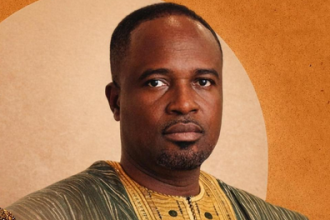
One person in the House who consistently stands out in dressing in Fugu, Kente and other traditional attires in a manner that reflects how various regions wear their traditional outfits has been the Speaker of Parliament, Alban Sumana Kingsford Bagbin.
In a bid to awaken a preference for traditional outfits, Mr Bagbin has often ditched the Speaker’s cloak on most regular sittings, choosing to appear in beautiful traditional outfits that blend Kente from the Ashanti and the Volta regions and Fugu or smock from various parts of Ghana.
He once explained that his decision to wear traditional clothing is part of his resolve to change the dress code and code of conduct of parliamentarians, a gesture that has already caught on so well with most MPs.
It, therefore, stands to be seen whether on the day President Mahama delivers his address, MPs will show up in traditional outfits representing the diverse cultures of their constituents.
As Mrs Zuwera Ibrahim put it, MPs must refrain from wearing foreign attire since President Mahama may himself appear in Parliament in Fugu.
“There should be no suits from Pierre Cardin or from Harrods during the SONA; let us wear the Fugu and Kente to show the world that Ghana has one of the best and enduring rich cultures and traditions,” she said.
Therefore, the willingness of MPs and ministers of state to show up in Parliament in Fugu, Kente and other traditional outfits will mark how determined they are in reflecting their belief in the societal values and cultural norms of their people.
This will portray their conviction in prioritising cultural authenticity over foreign influences to strengthen Ghana’s sense of identity and national pride.