Ghana’s recent economic stability and rising investor confidence could face new challenges once the country exits its programme with the International Monetary Fund (IMF), the Association of Ghana Industries (AGI) has warned.
Although there have been clear improvements in fiscal management and stronger optimism in the markets, concerns remain about whether these gains can be sustained without IMF support.
The IMF programme has been key to rebuilding credibility and attracting investment, so its end raises questions about how investor sentiment might change.
Industry leaders stress that sustaining this progress will require continued discipline and consistent policy implementation, cautioning that any complacency could undo the gains achieved so far.
“We’ve gained so much confidence in the system. We’ve encouraged people to invest now. The government has done very well in managing the economy in a very prudent manner. That has brought confidence. If the IMF exits, what is the implication?” he asked.
Beyond macroeconomic stability, the AGI has stressed the need to strengthen domestic production to reduce reliance on imports, which continue to expose the economy to external shocks. Expanding local industry, they argue, will be key to building long-term resilience.
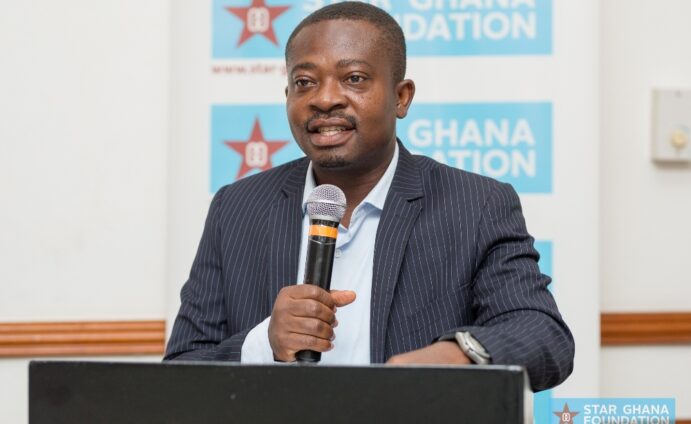
The AGI Chief Executive Officer Seth Twum-Akoaboah also highlighted persistent challenges in access to affordable financing, urging development finance institutions such as EXIM Bank, Development Bank Ghana and the National Investment Bank to refocus their lending towards productive sectors.
He further called for lower interest rates to support industrial growth and sustain economic recovery.