There is a sentence that echoes loudly anytime investment conversations come up in Ghana: “High risk leads to high returns.”
Bankers say it. Financial advisors repeat it. Even friends who have never studied finance swear by it. Somewhere along the line, we began to believe that to build wealth, we must flirt with danger, close our eyes, and throw our money into the unknown.
But here is the uncomfortable truth: that statement, by itself, is misleading.
If taking risk was the only secret to financial success, then gamblers would be our richest citizens. The people boldly staking their last salary at betting centers would be building mansions at East Legon. Every late-night crypto speculator would be driving a Range Rover by morning.
Yet, we know that is not the reality.
The Wisdom of “Never Lose Money”
Let us shift our attention to someone who has been tested by time: Warren Buffett, the world’s most successful investor. Many assume he made his wealth by taking huge risks. Surprisingly, Buffett is one of the most risk-averse people on the planet. His famous investment rules are straightforward:
Rule #1: Never lose money
Rule #2: Don’t forget Rule #1
Buffett refuses to invest in anything he does not fully understand. He prioritizes protecting his capital over chasing big returns. He would rather earn nothing than lose a pesewa.
This mindset is the opposite of what many Ghanaians have been taught.
The real source of high returns
Here is the key lesson:
High returns do not come from high risk. High returns come from high financial intelligence.
Risk is not a fixed attribute. Risk depends on your level of understanding. Let’s break it down using an example every Ghanaian can visualize: climbing a mountain.
If an untrained person wakes up one morning and decides to climb Mount Everest wearing sneakers, this is not bravery, it is a funeral announcement. However, a trained mountain climber, equipped with knowledge and tools, can attempt the same climb with confidence and minimal danger.
The mountain did not change.
What changed is the person approaching it.
Investing works the same way:
To the untrained, the stock market is dangerous.
To the financially intelligent, it is an opportunity.
Why Ghanaians fear investing
Many people in Ghana have developed a phobia of investing because they lack knowledge. As a result, they choose what feels safe: savings accounts, fixed deposits, and money markets. These instruments hardly outpace inflation. They protect money, but they do not build wealth.
And so we end up with a society full of hard workers who never see their money grow. Not because they don’t earn enough, but because they don’t understand how to make money work for them.
What Ghana must do next
If we want a wealthy nation, we must retire the mantra “high risk, high returns”, and replace it with a new one: High knowledge, high returns.
Financial literacy, particularly investment literacy, must move from being a luxury to being a necessity. It should not be reserved for accountants, bankers, or finance students. Every Ghanaian – teachers, traders, nurses, entrepreneurs, students must understand how money grows.
We can build a generation that doesn’t fear the stock market, that doesn’t gamble with investments, that doesn’t rely solely on salary. A generation that uses knowledge, not luck, to build wealth.
Final thought
Investing is not for the brave.
It is for the informed.
The markets do not reward courage. They reward competence.
And in the years ahead, the most successful Ghanaians will not be those who take the most risk, but those who understand the most about money.
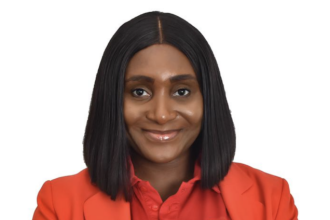
Mary Henewaa Karikari, ACCA, FMVA, is a passionate wealth literacy advocate who blends finance, storytelling, and personal development to help everyday people understand investing. She leads Finance Fanatic, where she trains individuals to grow wealth steadily through financial intelligence, not risk-taking.