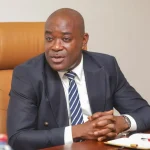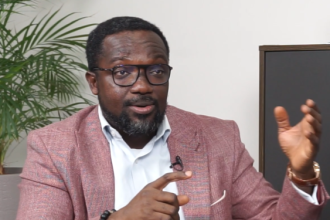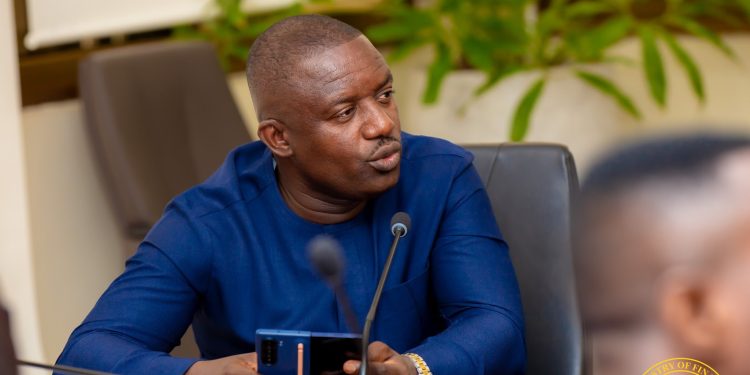
Minister for Energy and Green Transition, John Jinapor, has strongly rejected claims that the country is experiencing a power crisis, despite recent intermittent blackouts and reports of low voltage in some areas.
The Minister’s remarks come in response to criticism from sections of the public and some energy analysts, who accuse him of painting a consistently bleak picture of the power sector since assuming office.
Addressing Parliament’s Energy Committee last week, Mr. Jinapor revealed that Ghana had just 2.6 days’ worth of liquid fuel in reserve for thermal power generation.
He noted that urgent efforts were underway to secure additional funding for fuel procurement.
However, this disclosure drew public concern, with critics urging the Minister to prioritise fixing the issues rather than highlighting them.
Responding to the backlash, Mr. Jinapor clarified: “I never said we are facing a crisis. I never said we will. We are not in a crisis. We are managing the situation. Yes, there are challenges but that is exactly why we were elected: to solve those challenges. And if I’m proposing solutions, it means we’re actively addressing them”.
In a media interview on Monday, May 19, the Minister further explained: “Parliament requested detailed data on our fuel stocks, and I provided it. I also informed them that new fuel shipments were on their way to replenish current supplies. That is not alarmism, it is transparency and action.”
Mr. Jinapor also cited recent developments, such as the near shutdown of Karpowership, one of the country’s key power providers.
“That issue was resolved through dialogue and negotiation, not complaints. That’s how problems get solved—by finding practical solutions,” he said.
He acknowledged a power shortfall of 70–80 megawatts but emphasised that measures are already in place to address it.
Mr. Jinapor also rejected the characterisation of his parliamentary disclosures as defeatist.
He highlighted additional steps the ministry is taking, including stakeholder consultations to enhance private sector participation in the Electricity Company of Ghana (ECG).
“We’ve set up a committee, completed consultations, and are now moving toward implementation. Again, this is not grumbling. This is governance.”