As a new driver, I am often appalled at the level of impatience displayed by many motorists. Among the countless causes of road crashes, impatience seems to play a far bigger role than we admit.
Everywhere you turn, everyone seems to be in a rush—to where, no one knows—forgetting that a moment’s haste could cause delays, accidents, or the needless loss of life.
Even ambulance drivers, carrying patients whose lives hang in the balance, usually exercise more care and patience than many other drivers on our roads.
The Stats
The loss of human life on our roads has been reduced to mere numbers, with little attention paid to the devastating impact on families, friends, communities, and institutions.
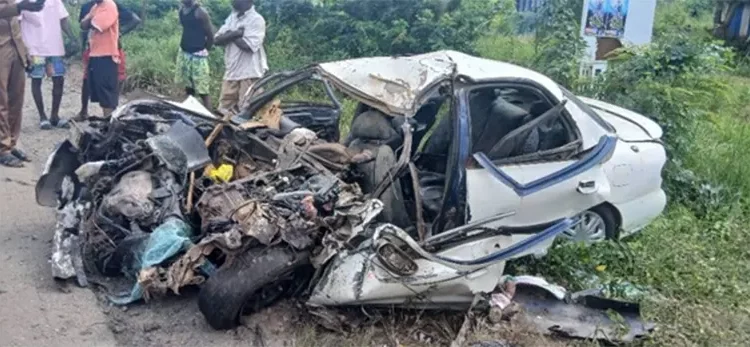
According to the Motor Traffic and Transport Department (MTTD) of the Ghana Police Service, 13,000 road crashes were reported between January and November 2025.
Chief Superintendent Alexander Obeng, Director of Education, Research, and Training at the MTTD, indicated that these crashes involved over 22,000 vehicles, including private cars, commercial vehicles, and motorcycles.
Out of these 13,000 crashes, 13,000 people sustained injuries, while 2,600 lost their lives. Alarmingly, 550 of the fatalities were pedestrians—people simply walking along or attempting to cross the road. Behind every statistic is a story of a life lost, a family shattered, and a community grieving.
The Causes — Impatience: The Hidden Killer
Speeding, drunk driving, reckless overtaking, indiscipline, bad roads, and poor street lighting are all familiar culprits. But in my view, impatience is the factor that often underpins many of these behaviors.
Within just one week, I witnessed two separate crashes that could easily have been avoided had the drivers exercised even a little patience. Impatience on its own may not always cause accidents, but when coupled with speeding or risky maneuvers, it becomes a deadly combination that threatens lives.
Street Lighting
Driving in Ghana can already be challenging during the day. At night, inadequate street lighting makes it even more difficult. Citi FM and Channel One TV — leading English-speaking broadcast platforms in Ghana where I work — have repeatedly highlighted concerns over faulty or non-functioning streetlights and the urgent need for working panels across our streets.
Adequate lighting improves visibility, reduces glare from oncoming vehicles, and helps drivers react better to unexpected obstacles. Simply put, safer lighting contributes to safer roads.
Potholes
Ghana’s roads have, in many places, become synonymous with gullies. The N1, the Tema Motorway, and many other stretches are riddled with potholes deep enough to force careful maneuvering to avoid damaging vehicles.
Frequent users of the N1 entering Apenkwa toward Tesano or Circle will agree that the potholes there are so deep that drivers must carefully navigate them before reaching a smoother stretch.
Ironically, drivers often honk at vehicles ahead to “move faster,” only to slow down themselves when navigating the same hazard.
In 2024, the Ministry of Roads and Highways under the John Dramani Mahama administration allocated 150 million cedis to patch potholes across the country. While some progress has been made, potholes remain a major hazard that tests both patience and driving skills.
Abuse of Horns
At driving school, I was taught that a horn should only be used to alert another driver of imminent danger, such as a car too close to your vehicle. On the streets of Accra, however, horns blare indiscriminately—from motorcyclists to commercial drivers, private cars, and trucks. It has become a constant, chaotic competition of who can make the most noise. This chaos doesn’t make roads safer; it makes them stressful, confusing, and more dangerous.
Conclusion
Driving in Ghana today is as much about survival as it is about skill. Impatience, poor roads, inadequate lighting, and horn abuse create a daily test of nerves and awareness.
Until drivers slow down, respect traffic rules, and consider the lives of others, the human toll on our roads will continue to rise.