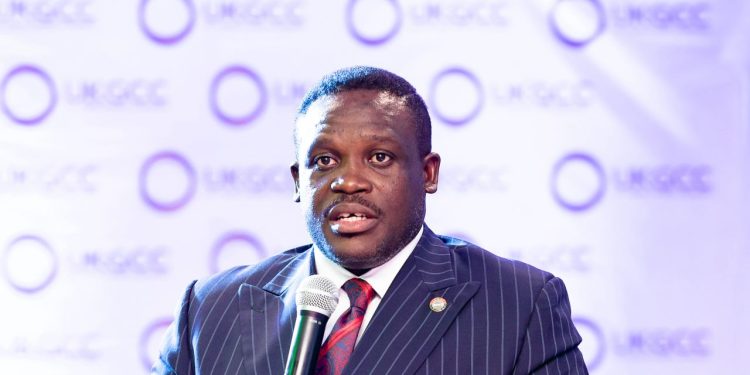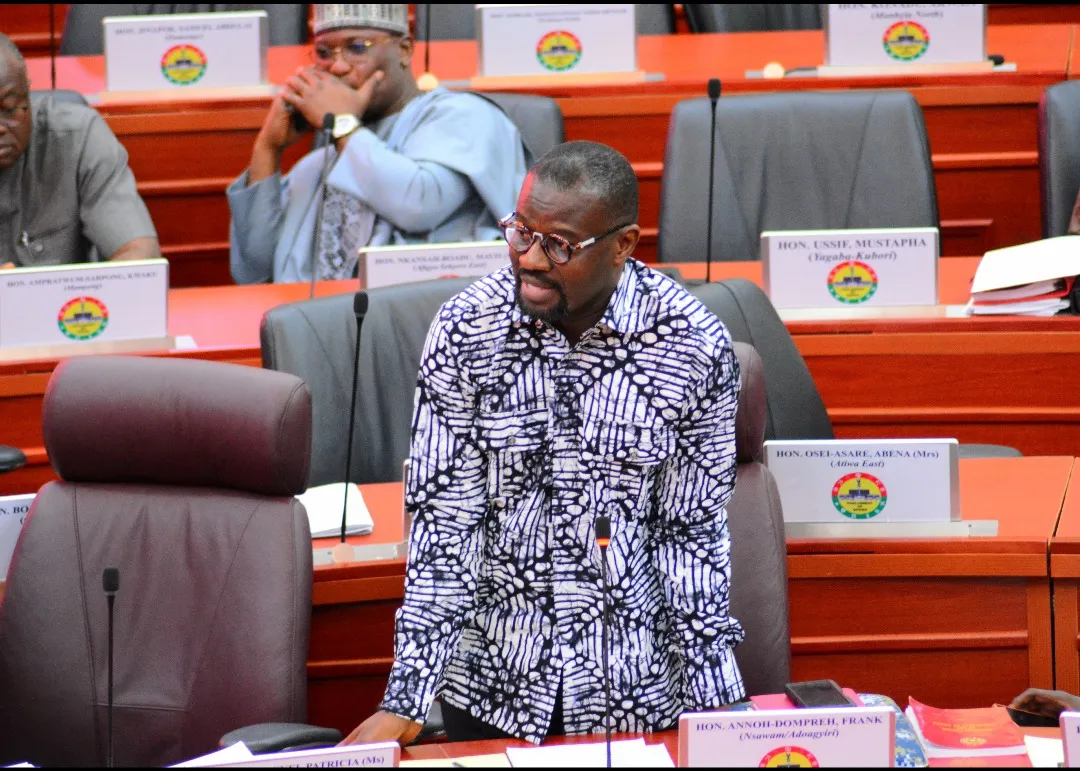
Minority Chief Whip, Frank Annoh-Dompreh, has urged Parliament to urgently enact legislation that criminalises ecocide and punishes large-scale environmental destruction.
Speaking on the floor of Parliament, he warned that Ghana faces an escalating ecological emergency driven largely by illegal mining.
He insisted that the debate goes beyond politics, and Ghana must treat environmental devastation as a matter of national survival.
According to him, lawmakers must criminalise ecocide and align Ghana with the growing global movement demanding accountability for environmental destruction.
Annoh-Dompreh explained that legal scholars now define ecocide as unlawful acts committed knowing that they will cause severe environmental harm.
He stressed that the concept does not rely on emotional arguments, but rather on measurable legal standards describing ecological damage.
The lawmaker also noted that current international legal frameworks do not yet recognise ecocide as an independent crime during peacetime.
He referenced the Rome Statute of the International Criminal Court, which currently lists genocide, war crimes, crimes against humanity, and aggression.
The absence of ecocide within that framework, he argued, creates a dangerous legal gap that allows environmental destruction to occur without strong criminal consequences.
Corporations, state actors, and individuals can destroy forests, pollute rivers, and damage ecosystems while escaping meaningful criminal accountability under existing legal systems.
He pointed to the devastation in the Niger Delta as a powerful example of unchecked ecological destruction.
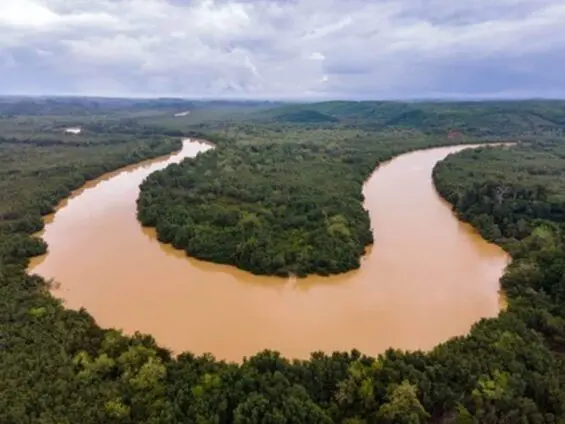
More than 7,000 oil spills between 1970 and 2000 poisoned soil, damaged fisheries, and undermined the health and livelihoods of entire communities.
Environmental experts believe that restoring that fragile ecosystem could take decades, illustrating how deeply industrial negligence can scar the natural environment.
Across the world, however, governments have begun to close that legal gap by introducing ecocide laws within their domestic legal frameworks.
Countries including Armenia, Belarus, Kazakhstan, Russia, Ukraine, Moldova, Georgia, Ecuador, Chile, France, and Belgium have already incorporated ecocide provisions.
In 2023, Belgium became the first European Union country to criminalise ecocide within a revised national penal code.
The move signalled a growing international consensus that destroying ecosystems must carry consequences comparable to other grave crimes.
The Minority Chief Whip believes Ghana must join that global shift before irreversible environmental damage undermines the nation’s ecological stability.
He warned that the country’s natural systems already face enormous pressure from deforestation, uncontrolled mining activities, and industrial waste.
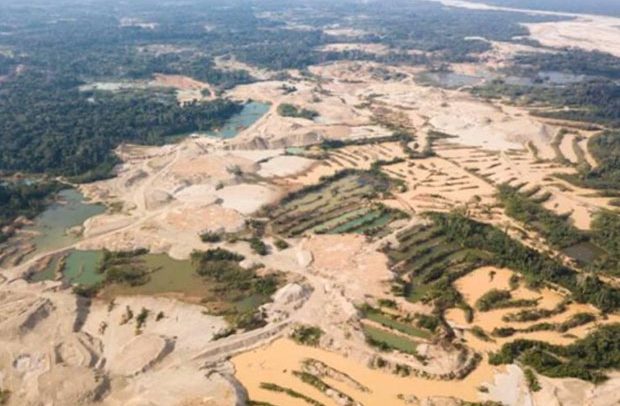
Meanwhile, authorities at the Water Resources Commission have repeatedly warned that 60% of Ghana’s water bodies show serious levels of pollution.
Many of those rivers lie in the country’s southwestern regions, where illegal mining operations continue to ravage landscapes and contaminate water sources.
The Commission also identified industrial discharge, household waste disposal, and unsustainable farming practices as contributors to the worsening water crisis.
Environmental destruction, the lawmaker argued, threatens agriculture, public health, and long-term economic prosperity across communities already struggling with climate pressures.

He urged Parliament to pass an ecocide law that clearly defines environmental crimes and enforces strict accountability.
The proposal also calls on Ghana to champion the recognition of ecocide as an international crime within global legal institutions.
Annoh-Dompreh believes Ghana could assume a leadership role in Africa by pushing environmental justice onto the global legal agenda.