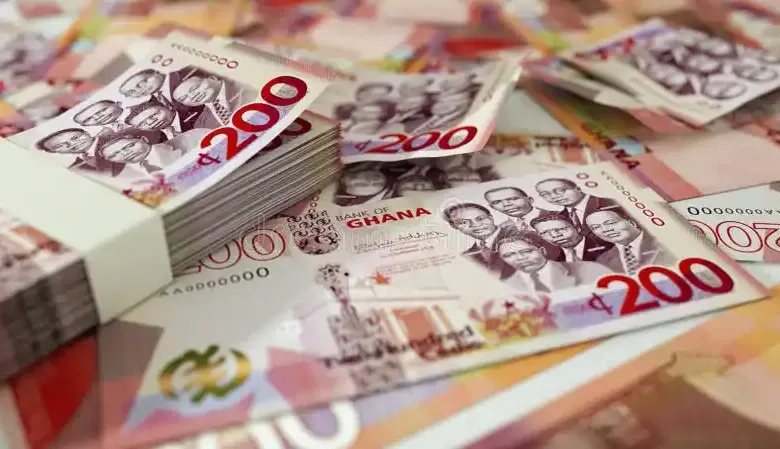
The cedi has staged a remarkable recovery in 2025, appreciating approximately 34% against the U.S. dollar from GH₵15.83 in January to GH₵10.44 by May.
This resurgence, driven by a combination of robust exports, strategic central bank interventions, and fiscal reforms, has positioned the cedi as one of the world’s best-performing currencies this year.
For import-dependent businesses, the stronger cedi translates to reduced costs for foreign goods.
The Ghana Union of Traders Association (GUTA) notes that while the benefits are evident, price adjustments in the market may take up to 60 days due to existing inventories procured at higher exchange rates.
In the Fast-Moving Consumer Goods (FMCG) sector, multinational manufacturers benefit from decreased costs of imported raw materials, enhancing production efficiency.
Local manufacturers, though less reliant on imports, also experience some relief in packaging and equipment expenses.
Conversely, exporters grapple with the implications of a stronger cedi. A more robust local currency means that earnings in foreign currencies convert to fewer cedis, squeezing profit margins.
Industries such as cocoa, gold, and artisanal crafts feel the pinch, as their products become relatively more expensive on the international market.
The Ghana Statistical Service reports a significant trade surplus in 2024, with exports totaling GH₵294.9 billion against imports of GH₵250.2 billion.
This surplus, bolstered by high global prices for gold and cocoa, has contributed to the cedi’s strength.
Inflation has also seen a downward trend, easing from 22.4% in March to 21.2% in April 2025, partly due to the cedi’s appreciation reducing import costs.
While the cedi’s appreciation offers immediate benefits, experts caution against overreliance on its current strength.
The sustainability of this trend hinges on continued fiscal discipline, diversification of exports, and resilience to global economic shifts.
Ghana’s small businesses find themselves at a crossroads as importers and retailers enjoy short-term gains, while exporters must adapt to maintain competitiveness.
As the cedi continues its upward trajectory, the focus should shift from celebrating its strength to ensuring economic stability that supports all sectors of the economy.