

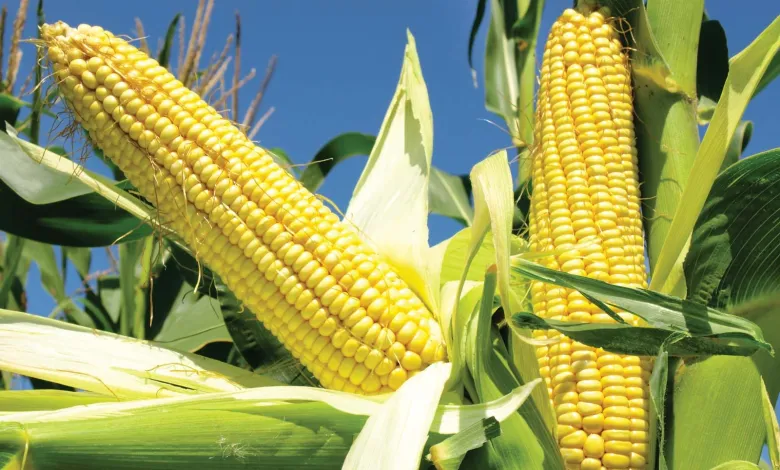
Sissala chiefs negotiate with wholesalers on fixed GHC 500 as minimum price for maize
Chiefs in the Sissala area, led by the Tumu Traditional Council, have fixed a new minimum price of GHS 500 per 100 kg bag of maize in a bold effort to protect the livelihoods of struggling maize farmers.
The decision follows growing complaints from farmers who have been hit hard by a sudden drop in maize prices from GHC 550 to GHC 400 despite rising input costs and high-quality produce from the region.
In a statement issued by Kuoro Richard Babini Kanton VI, President of the Tumu Traditional Council, the traditional leaders described the recent market trend as “unacceptable and unsustainable”, warning that the continued exploitation of farmers could force many to abandon farming altogether.
“We cannot stand by while our hard-working farmers, who produce some of the most sought-after maize in the world, are exploited and impoverished while input prices remain the same,” the chiefs said.
The decision to introduce the new minimum price came after consultations with major buyers in the region, including the West African Regional Company (WARC) and other private maize traders. The agreed price floor officially took effect on 8 July 2025.
Farmers across the area have been strongly advised not to sell their maize below the GHC 500 benchmark, regardless of the buyer. The chiefs stressed that the move is meant not only to stabilise farmers’ incomes but also to ensure that agricultural production remains viable and sustainable in the Sissala area.
The pricing directive was developed in collaboration with several traditional councils, including those of Gwollu, Zini, Welembelle, Pulima, Lambussie, Bawiesebelle, Banu, Kojokperie, and Funsi.
“This is about protecting the backbone of our local economy,” the statement emphasised. “If this issue is not addressed, many farmers will be forced to abandon maize farming, and that will have devastating effects on our communities.”
The traditional leaders are calling on buyers, government authorities, and development partners to support the enforcement of the new price to ensure fair returns for farmers and long-term food security in the region.