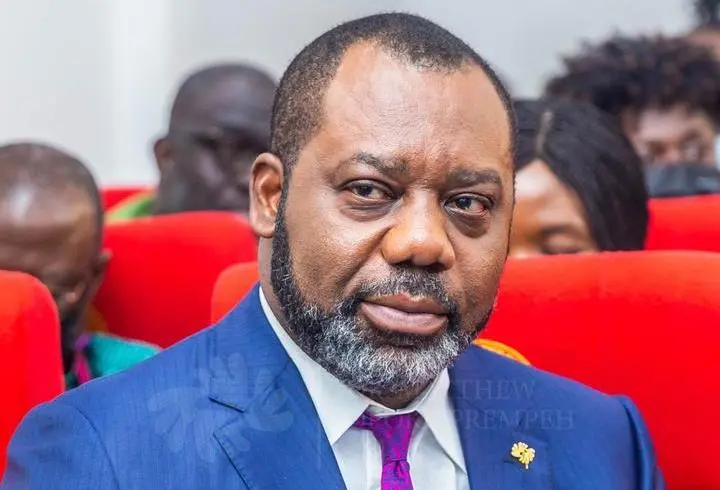
The 2024 New Patriotic Party (NPP) vice presidential candidate, Dr. Matthew Opoku Prempeh, has appealed to party members to avoid tribal and religious rhetoric as internal preparations begin toward the 2028 general elections.
Dr. Opoku Prempeh, popularly known as NAPO, raised the concern after joining the campaign activities of Samira Bawumia in the Manhyia South Constituency on Saturday, January 10, 2026.
In a message shared on his Facebook page, he warned that divisive language within the party could damage its image and weaken its appeal to the wider Ghanaian electorate.
He described the growing use of ethnic and religious sentiments in internal campaigns as troubling, particularly at a time when the party is preparing to elect a new flagbearer.
According to him, such conduct risks reinforcing old stereotypes that the NPP is driven by ethnicity rather than shared national values.
“This is a party that has been branded tribal and we cannot perpetuate it,” he said, cautioning that careless comments by party members only deepen public mistrust.
Dr. Opoku Prempeh stressed that the NPP was founded on democratic principles that place value on common humanity rather than background or belief.
He encouraged members to focus on unity and the collective goal of winning power through credible leadership that appeals to voters across the country.
During his engagement with delegates in Manhyia South, he reaffirmed his support for Dr. Mahamudu Bawumia, describing him as a candidate with experience, clarity and national appeal.
He urged party faithful to rally behind whoever emerges as leader, warning that internal divisions could cost the party public confidence.
His comments come amid rising tensions as early manoeuvring for the 2028 presidential primaries gathers pace.
Dr. Opoku Prempeh concluded by urging members to choose a leader based on competence and the ability to address the needs of all Ghanaians, rather than ethnic or religious identity.