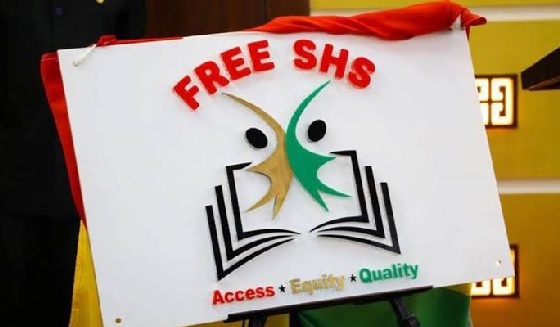
Ghana’s recent announcement of free special education for children with special needs is a welcome and progressive step. It reflects a growing national commitment to ensuring that every child, regardless of ability, has the opportunity to learn.
This initiative has further been hailed as historic because, for the first time, a formal system has been deliberately put in place to ensure sustained support for children with special needs.
According to the government, the policy will cover tuition, accommodation and assistive devices up to the tertiary level. This is commendable.
The greatest barriers, however, facing children with disabilities are often not school fees but the additional and also lifelong costs associated with disability itself, particularly for children with intellectual and developmental challenges.
A child with autism may require speech therapy, occupational therapy and specialised teaching materials.
A child with cerebral palsy may need physiotherapy, mobility aids and adapted transport. A child with Down syndrome or intellectual disability often requires individualised educational support and continuous caregiver supervision.
These are costs that ordinary education policies do not address. It will, therefore, be interesting to know how this policy provides for individually tailored needs.
TBSC Version 8.0
For many Ghanaian families, raising a child with significant disabilities comes with enormous financial sacrifice.
One parent ‒ usually the mother ‒ may have to stop working or reduce working hours to provide full-time care. Hospital visits, therapy sessions, medication, transport, diapers, accommodations at home and school, etc consume household incomes that are already stretched.
This is why free education alone will not transform the lives of these children.
DACF
Another area requiring urgent attention is the District Assembly Common Fund for Persons with Disabilities.
This important intervention has supported many people through educational assistance, vocational training and income-generating projects.
Yet many children with severe intellectual and developmental disabilities, who may never benefit from apprenticeship or business support, receive little direct assistance.
Ironically, the families carrying the greatest caregiving burden often receive the least support.
This is an inequity that Ghana can no longer ignore.Ghana politics analysis
Parents caring for children with profound autism, severe intellectual disability or multiple disabilities perform demanding work every single day.
They provide full-time care at home, supervise feeding, manage challenging behaviours, assist and coordinate multiple health appointments.
In many cases, this responsibility continues throughout the child’s lifetime. Supporting these caregivers is not charity.
It is an investment in the well-being of some of society’s most vulnerable citizens.
Many developed countries have embraced this reality.
The United Kingdom provides Disability Living Allowance for eligible children and Carer’s Allowance for caregivers.
Australia supports families through the National Disability Insurance Scheme alongside caregiver payments.
Canada and several Scandinavian countries also provide financial assistance, respite care and home-based support.
These countries understand a simple principle: when caregivers are supported, children thrive.
Framework
As the Government develops the framework for free special education, part of the Disability Common Fund should be ring-fenced specifically for children with intellectual and developmental disabilities and their families.
Support should be based on functional needs rather than diagnosis alone.
Families could receive therapy vouchers, transport support for clinic and school visits, respite care services, parent training programmes and targeted caregiver grants for those providing intensive daily care.
Equally important is strengthening the services that make education meaningful.
Free special education cannot succeed without adequately trained special educators, speech and language therapists, occupational therapists, psychologists, physiotherapists and learning support assistants.
Every region should have early diagnosis and multidisciplinary assessment centres to enable early diagnosis and intervention.
Act
The Persons with Disability Act, 2006 (Act 715), together with Ghana’s commitments under the United Nations Convention on the Rights of Persons with Disabilities, calls for equal participation and equal opportunity.Ghana politics analysis
True equality means recognising that some children require more support – not because they are less capable, but because their needs are greater.
Success should be measured not by school enrolment alone, but by improved quality of life for children with disabilities.
If Ghana truly wants inclusive education, then our policies must also support the parents and caregivers who make their education possible.
Free special education should therefore become a comprehensive package of educational, therapeutic and caregiver support that gives every child the genuine opportunity to reach his or her full potential.