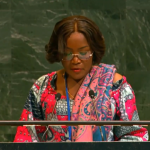

Governor of the Bank of Ghana, Dr. Johnson Asiama, has firmly stated that he is under no pressure to unilaterally reinstate licences of banks that lost their operating rights during Ghana’s banking sector cleanup.
Speaking at the 125th Monetary Policy Committee (MPC) press conference, Dr. Asiama emphasised that any such decision must follow due legal and institutional processes.
“Not at all,” he responded when asked if he felt political or public pressure to restore licences. “Reinstatement is not something the Governor can do alone. It requires a directive from the courts and consideration by the Bank’s Board.”
Dr. Asiama highlighted that many of the affected cases are still in court or undergoing settlements, and the central bank will continue to follow established resolution frameworks.
“I came into office to find that significant progress had already been made. The process is ongoing, and we will respect the legal path,” he added.
His remarks came in response to renewed political debate over the collapsed banks, sparked by a campaign promise from former President John Mahama.
In May 2024, after securing the NDC’s presidential nomination, Mahama pledged to restore local participation in key economic sectors, including banking.
The financial sector reforms, initiated in 2017, increased the minimum capital requirement from GHS120 million to GHS400 million. This led to the collapse or consolidation of hundreds of financial institutions that failed to meet the threshold.
In total, the cleanup led to the revocation of licences for 9 commercial banks (including UniBank, UT Bank, Capital Bank, and The Royal Bank), 23 savings and loans companies, 347 microfinance institutions, 39 finance houses, and 53 fund management firms.
While the Bank of Ghana maintains that the cleanup was essential to stabilise the sector, critics argue that some institutions could have been rescued to preserve jobs and protect local ownership.
Dr. Asiama reaffirmed the central bank’s commitment to sound financial governance, stressing that any future decision regarding licence reinstatement will be based strictly on legal outcomes and institutional procedures, not political pressure.