


Minority: Farmers, fishers struggle amid rising costs and import
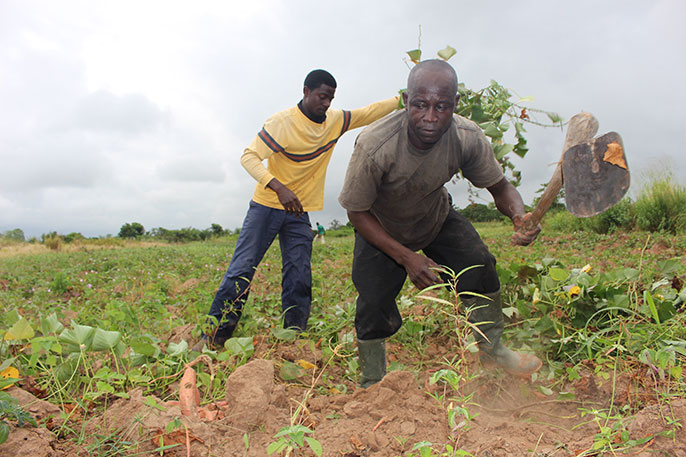
The Minority in Parliament has expressed deep concern over what it describes as worsening economic and operational challenges confronting Ghanaian farmers and fishers, warning that the situation threatens livelihoods and undermines national food security.
In a statement issued on Friday, December 5, Minority Leader Alexander Afenyo-Markin said rising production costs, logistical failures, and delayed government interventions continue to weaken the competitiveness of the agricultural and fisheries sectors.
He noted that farmers in remote communities still struggle with poor road networks, storage delays, and limited access to credit, while fishers contend with the high cost of nets and outboard motors, alongside persistent shortages of premix fuel in coastal areas such as Keta.
Afenyo-Markin lauded the resilience of farmers and fishers, acknowledging their perseverance despite “painful betrayals.”
“We recognise fishermen, their struggle against depleted fish stocks, illegal fishing, and now, crippling logistical failures in the supply of essential inputs. That our farmers and fishers — despite painful betrayals — continue their vital work demonstrates the indomitable Ghanaian spirit. We salute them,” he said.
The statement highlighted what the Minority described as a “catastrophic grain market collapse” in 2025, noting that over one million metric tonnes of paddy rice, valued at GH¢5 billion, remain unsold across the Upper East, North East, and Northern Regions.
According to the Minority, the government has failed to honour its September 2025 promise that the National Food Buffer Stock Company would purchase all locally produced rice and maize. The failure to redeem the pledge, they argued, has left farmers stranded and eroded confidence in agricultural sector reforms.
The situation, they added, has been worsened by the influx of cheap, expired, and smuggled rice — allegedly repackaged by politically connected importers — which continues to flood the local market. The recent appreciation of the cedi and falling global grain prices, the statement noted, have made imported rice even cheaper, rendering local farmers uncompetitive.
“Illicit fishing practices and unregulated imports also undermine the market for our local catch. No local producer can compete with products that enter the country untaxed, unregulated and unchecked,” the statement added.
The Minority further criticised what it called “unsustainable levels of food imports,” pointing out that Ghana continues to spend between US$3.5 billion and US$4.5 billion annually on food imports, including US$400 million on poultry and significant quantities of fish.
They called on the government to take urgent action to address the growing challenges, warning that continued neglect will worsen rural poverty, undermine food sovereignty, and jeopardise the livelihoods of thousands of Ghanaian families working in the agriculture and fisheries sectors.