Minority Caucus backs calls to decentralise parliament as they face increasing pressures balancing their legislative and community duties.
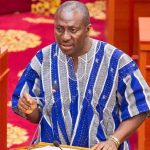
According to the Minority Leader, Alexander Afenyo-Markin, this situation is pushing MPs beyond the responsibilities defined in the Constitution.
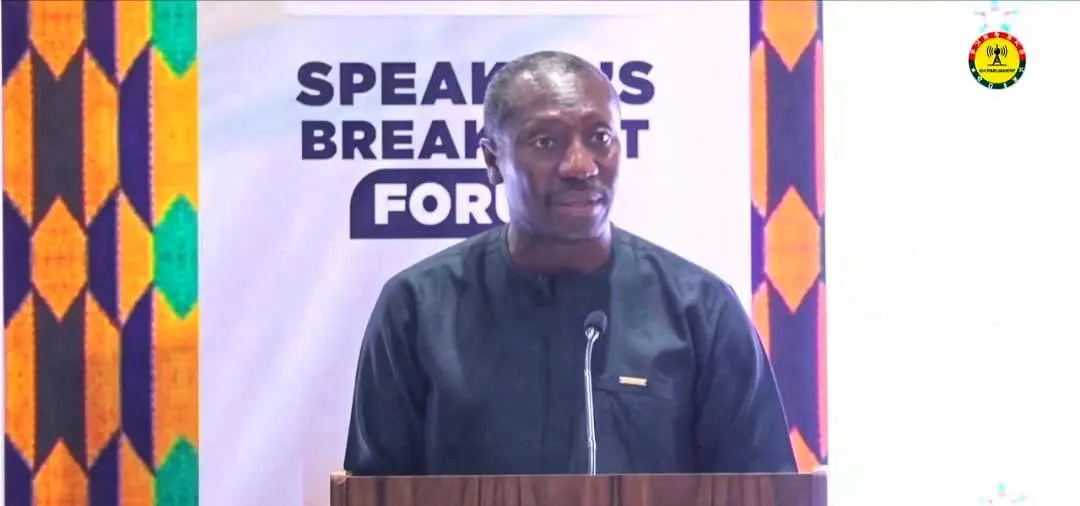
Speaking at the Speakers Breakfast Forum, a programme held at The Palms and Eagles in Airport City, Hon. Afenyo-Markin explained that many MPs have become the first point of contact for almost all local problems within their constituencies.
At the same time, they are expected to handle important national legislative work.
He highlighted that MPs are dealing with both community development issues and parliamentary duties, which place heavy demands on them.
According to him, this pressure is worsened by the lack of properly structured local parliamentary offices to support their work.
Statistics shared at the forum indicated that between 40% and 73% of all persons in some constituencies consider their MP as the go-to person to solve community problems.
This expectation creates additional strain for lawmakers, especially in instances where these problems are more personal in nature.
Often, discussions about community issues happen informally. At funerals, social events, or even in MPs’ homes, a chunk of these meetings are constantly being held.
This situation raises concerns about the mixing of personal life, politics, and official responsibilities.
Participants at the forum, which comprised several other members of parliament, suggested that decentralising Parliament could help solve the problem.
Setting up organised local offices would clearly define roles, provide neutral spaces for public engagement, and allow members of parliament to focus more effectively on both lawmaking and proper representation of their constituents.
This comes at the back of an engaging forum pioneered by the Speaker of Parliament, Alban Kingsford Sumana Bagbin, amidst Ghana’s constitutional review process in 2025, under the theme, ‘Parliamentary Decentralisation: Taking Parliament Closer to the People’.