Rising tensions in the Middle East are creating unexpected opportunities for Ghana’s electric vehicle (EV) industry, even as they put pressure on the country’s fuel-dependent sectors.
With concerns growing over fuel supply disruptions, increasing pump prices, and possible hikes in transport fares due to the Iran–Israel–US conflict, attention is gradually shifting toward alternative energy solutions especially electric vehicles.
While investors in crude oil and fuel-based industries face uncertainty, the situation has opened up new conversations around expanding Ghana’s EV market.
This shift is also being driven by economic realities such as fuel prices rise, demand for electric vehicles seen as a substitute naturally increases.
Ghana has already made some progress in this space.
In 2023, former Energy Minister Dr. Matthew Opoku Prempeh revealed that about 17,000 electric vehicles were already in use across the country.
Government policies are also supporting the transition.
These include an eight-year import duty waiver on EV kits and zero-rated VAT on locally assembled electric vehicles, measures aimed at reducing costs and encouraging adoption.
Globally, the EV market is growing rapidly.
Electric vehicle numbers surged from about 400,000 in 2013 to 16.4 million in 2021.
Projections suggest that by 2030, plug-in electric vehicles could reach 140 million, with electric two- and three-wheelers hitting 490 million.
In Ghana, data from the Energy Commission shows that between 2017 and 2021, over 17,600 plug-in electric vehicles were imported, alongside more than 9,400 electric two- and three-wheelers most of them originating from China.
Hybrid vehicles currently dominate imports, making up over 90%.
Despite this progress, major challenges remain.
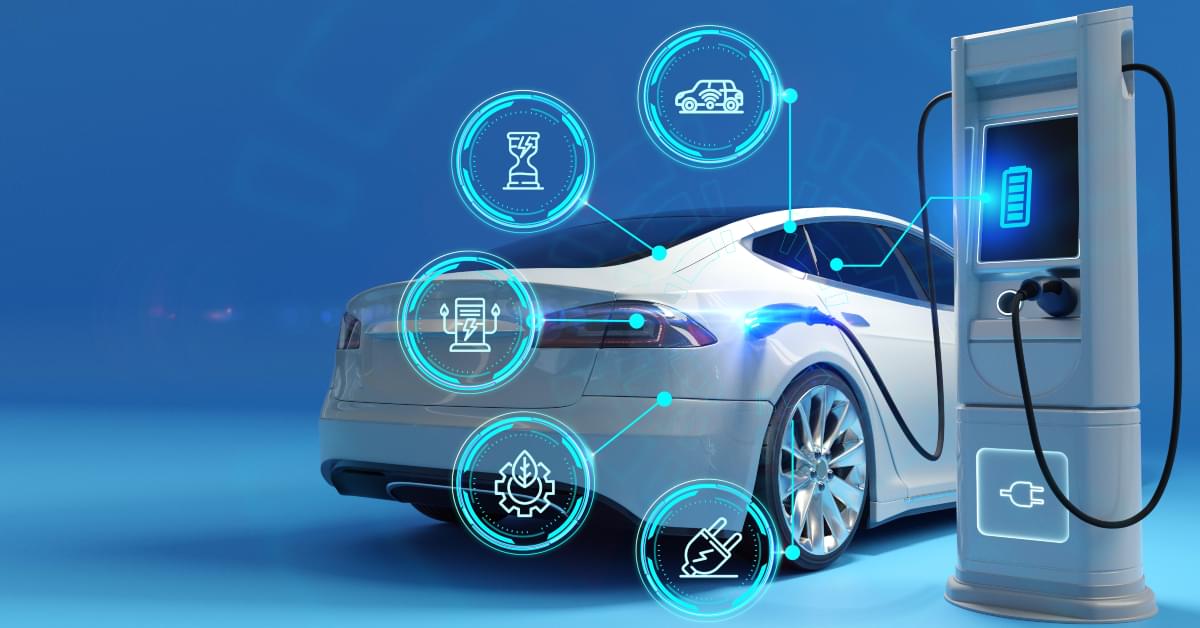
A key issue is the lack of public charging infrastructure, with most regions having little to no charging stations.
Although EVs can be charged at home, unreliable electricity supply and limited solar adoption continue to pose difficulties.
Even so, the current global energy situation is pushing Ghana to rethink its transport future, with electric vehicles increasingly seen as a viable and necessary alternative.