In the heart of Ghana, a silent crisis continues to unfold. The once pristine rivers and waterways are now contaminated with toxic chemicals, posing a significant threat to the environment, human health, and the country’s future.
The culprits behind this illegal mining have ravaged the landscape and poisoned several waters.
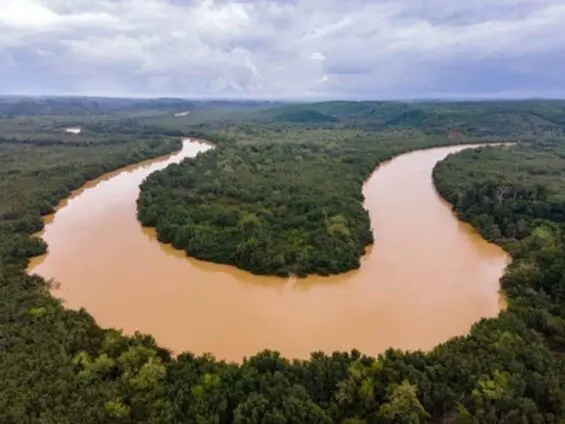
The effects of galamsey are far-reaching, with rivers like the Pra, Ankobra, and Offin turning brown and undrinkable. The water is no longer safe for human consumption, and the aquatic life is dying.
The Ghana Water Company Limited has warned that the country could be importing water by 2030 if the situation is not brought under control.
The impact of galamsey on human health is alarming. Exposure to toxic chemicals like mercury, cyanide, and arsenic has been linked to chronic diseases such as kidney failure, birth defects, and cancer. Communities living near mining areas are suffering from skin diseases, respiratory problems, and other health issues.
Environmental Destruction
The environmental destruction caused by galamsey is staggering. Forests are being cleared, and land is being degraded, leading to soil erosion and loss of biodiversity. The rivers are choked with sediment, and aquatic life is disappearing.
Economic Consequences
The economic consequences of galamsey are also significant. The country’s water treatment costs are increasing, and the tourism industry is suffering. The loss of fertile land and water resources is affecting agriculture, leading to food insecurity and poverty.
The Way Forward
So, what can be done to stop galamsey and restore Ghana’s environment?”
1. Strengthen Law Enforcement: The government needs to enforce existing laws and regulations to prevent illegal mining.
2. Alternative Livelihoods: Provide alternative livelihoods for those involved in galamsey, such as sustainable agriculture and eco-tourism.
3. Education and Awareness: Raise awareness about the dangers of galamsey and the importance of environmental protection.
4. Reclamation Efforts: Support reclamation efforts to restore degraded land and waterways.
5. Community Engagement: Engage with local communities to involve them in environmental protection and decision-making processes.
The fight against galamsey requires a collective effort from the government, civil society, and individuals.
We must all act now to protect Ghana’s environment and ensure a sustainable future for generations to come.