Despite the 2020 ceasefire, recent armed mobilizations in and around Tripoli have raised fears of renewed violence.
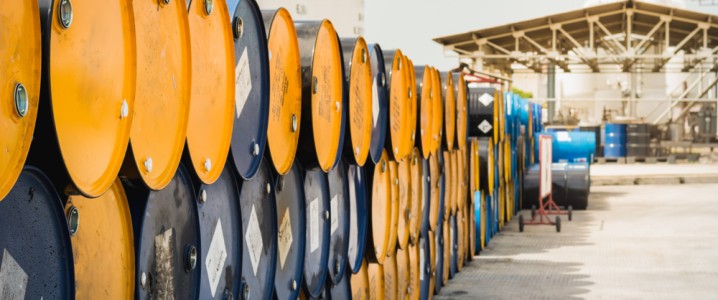
In the south, efforts to restructure the Libyan National Army (LNA) have led to deadly clashes. The country remains divided between rival administrations, with political struggles fueled by competition for economic resources and fragmented institutions lacking a unified budget For the last few years, the clan of General Haftar (controlling the east from Benghazi) and infinitely interim prime minister Djebeba (controlling the west from Tripoli) have been ensuring that each other’s personal pockets were nicely lined. It was a mutually beneficial relationship, but always fragile. We saw that last year, during the power struggle over the Central Bank and oil revenues. Since then, money has been moving back into Libya’s oil sector, despite the clear indications that civil war is not off the table.
In a statement on Tuesday, the Presidential Council (largely controlled by Tripoli) expressed deep concern over unilateral moves by various political institutions, warning of dangerous destabilization. Of course, they are on one side of the divide that is causing the destabilization. The Council emphasized the urgency for the House of Representatives and the High Council of State to resolve their differences and promptly agree on appointments to key sovereign positions. It’s much like last year’s central bank scandal, which we noted at the time was only the beginning.