


Interest rate cuts key to reducing defaults – Association of Banks
Ghana’s banking industry is anticipating a further decline in lending rates, a development expected to ease loan repayment burdens and reduce the country’s high default rates.
This follows renewed efforts by the Bank of Ghana to encourage banks to reorient their business strategies toward supporting productive sectors of the economy.
The Ghana Association of Banks (GAB) welcomed the steady drop in the Ghana Reference Rate (GRR), which fell to 19.67% in August 2025, down from 29.72% in January.
Combined with the Bank of Ghana’s recent policy rate cut to 25%, this signals a shift toward a more supportive credit environment aimed at driving growth while lowering the current non-performing loan (NPL) ratio of 22%.
The comments come in response to recent remarks by Bank of Ghana Governor, Dr. Johnson Asiama, who called on commercial banks to reduce their heavy dependence on government securities and instead channel more financing into productive sectors that can fuel Ghana’s fragile economic recovery.
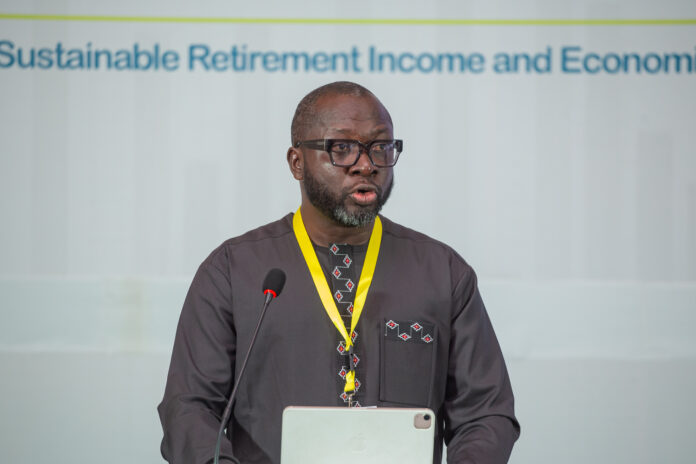
Speaking in an interview, GAB CEO John Awuah said that while banks are eager to lend, they remain cautious due to the elevated level of non-performing loans.
“Banks have always been ready to lend. But with NPLs at 22%, we must be prudent. We are dealing with depositors’ funds, and in an environment where the likelihood of repayment is low, caution is necessary,” Awuah explained.
“We urge all stakeholders whose decisions influence the recovery of distressed accounts to actively engage and support efforts to stabilize the credit market.”
Awuah also emphasised the connection between high interest rates and rising defaults.
The drop in the Ghana Reference Rate marks a significant 10.05 percentage point reduction since January, indicating a more stable macroeconomic environment.
In contrast, the same period in 2024 saw rates remain stubbornly above 29%, reflecting tighter monetary conditions at the time.
This downward trend is supported by broader macroeconomic improvements, including declining inflation and consistent monetary easing by the Bank of Ghana.
The central bank’s Monetary Policy Committee recently cut the benchmark rate from 28% to 25%, reinforcing efforts to stimulate credit growth and support economic activity.