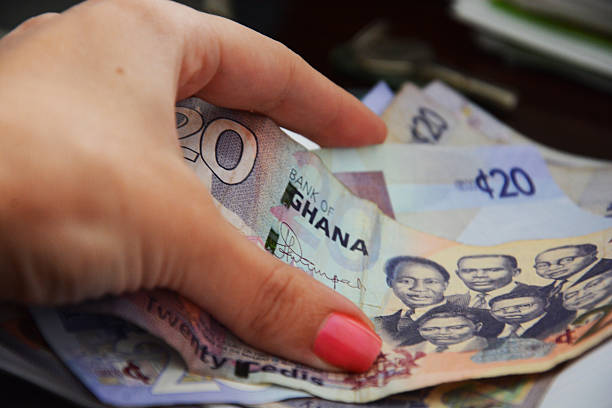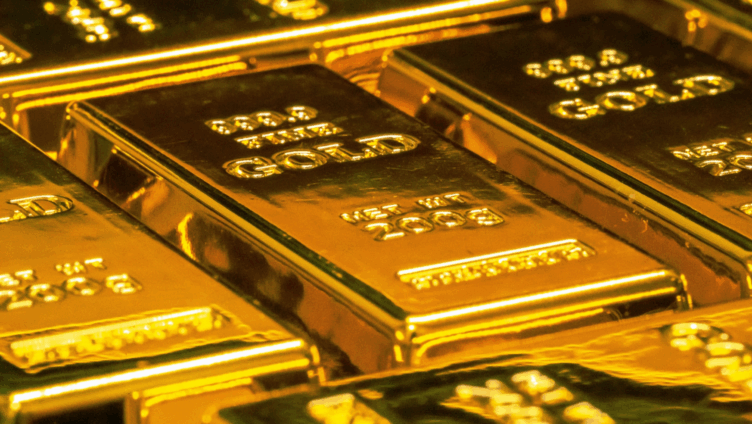
For over a century, Ghana has been told a powerful story: gold is wealth, gold is progress, gold is prosperity. Governments chase it, investors worship it, and communities sacrifice land and water for it.
Yet this belief deserves serious scrutiny. Since the 19th century, gold has been overpriced not because it feeds nations or builds industries, but because global systems were engineered to favor it. Salt! once as valuable as gold and far more essential to life (thus a necessity of life) .I was quietly stripped of strategic importance.
This editorial challenges the gold obsession, questions whether gold has truly served Ghana, and argues that salt, not gold, holds the real economic future.
To begin let us see how gold became overpriced while salt was deliberately downgraded. Gold’s dominance is not a market accident; it is a political outcome. In the 19th century, European powers embedded gold into the global monetary system. Currencies were backed by gold, trade was settled in gold, and empires accumulated gold reserves to project power. This guaranteed permanent demand and inflated value.
Salt received no such privilege. Industrial technology made salt easy to produce in massive quantities, collapsing prices. Worse, salt was removed from its historic strategic role through refrigeration and food preservation technologies. What followed was a global rebranding: gold was marketed as eternal wealth; salt was dismissed as ordinary.
“This was not economics alone—it was narrative control. One commodity was financialized; the other was domesticated.”
My question:
Come to think of it, has gold truly served Ghana, or has Ghana served Gold?
My answer:
“The uncomfortable truth is that Ghana has served gold far more than gold has served Ghana”. On a lighter note and average African by age 50 might have not seen or touched gold ever in his life. Yes, gold exports earn foreign exchange. Yes, they provide jobs. But these benefits are thin compared to the damage and missed opportunities. Most African gold leaves the continent unrefined. Pricing, trading, insurance, and wealth accumulation happen in London, Zurich, and New York—not Kumasi, Johannesburg, or Bamako.
Meanwhile, gold mining has scarred landscapes, polluted rivers, displaced communities, and fueled conflict. Entire regions sit on gold yet remain poor. If gold were truly developmentally friendly, then Africa would have home to some of the world’s richest gold deposits! but it looks very different today. Gold has enriched balance sheets abroad and elites at home. It has not industrialized Africa, considering Ghana been named Gold Coast.
Truth be told, Salt has done more for Ghana and Africa than gold ever did, salt does not glitter, but it works and it is crystal. It preserves food, supports health through iodization, enables agriculture, and underpins industries ranging from chemicals and pharmaceuticals to water treatment and manufacturing.
Salt builds value chains, not just export statistics. Yet Africans! Yes the Blackman continues to treat salt as a low-value commodity while importing refined industrial salt at high cost. This is not a failure of salt—it is a failure of policy, investment, and vision.
“If Africa industrialized salt the way it mines gold, it would create more jobs, stronger manufacturing bases, and greater economic resilience” (Mr. Kwame A. Apeaning)
Is gold’s financial security for others or for development for Ghana and Africa?
Guess the answer!
Gold will remain relevant globally as a hedge against inflation and geopolitical uncertainty. Central banks will continue to hoard it. Investors will continue to fearfully run to it in times of crisis. But, none of this guarantees factories, skills and inclusivity or prosperity in Africa. Gold’s future is tied to finance and speculation, not industrial transformation.
Without radical local value addition, gold will remain an extractive dead end and that is where salts’ future begins! The future global economy favors industrial inputs, not symbols. Salt demand is rising in energy storage, renewable technologies, chemical manufacturing, water treatment, and pharmaceuticals. These sectors create jobs, skills, and domestic value.
For Ghana, salt offers something gold never has: inclusive growth. It can anchor industrial parks, support SMEs, drive exports, and strengthen food and health systems.
“Indeed, salt is found in every home, whether rich or poor unlike gold”. (Kwame A. Apeaning)
“Animals, human beings, plants and industries rely on salt. Simply put it you can’t do without Salt” (Kwame .A Apeaning)
To conclude Ghana’s real wealth is being mined wrongly, gold became expensive because global power decided it should be. Salt became cheap because it was stripped of strategic importance by one dazzles markets whereas we as Ghanaians look on without value addition. Ghana must confront a hard question: why does it continue to chase a mineral that enriches others while ignoring one that could industrialize its own economies?
The real scandal is not that gold is overpriced.
The real scandal is a non-value addition to our premium salt that feeds the entire West Africa which hosts the largest economy in Africa.
Kwame is the Founder|| Chamber of Salt Producers & Exporters Ghana