When the Jubilee Field started pumping oil in December 2010, many Ghanaians dared to dream. Finally, a country that had been poor for so long would have real money to fix roads, build schools, and light up villages.
Fifteen years and more than US$11 billion later, the story is bittersweet. There is visible progress, but also a long list of frustrations, unfinished projects, and money that never reached where it was supposed to go.
Where the money has actually gone
Under the Petroleum Revenue Management Act (PRMA), every dollar from oil is supposed to be split into three buckets:
• The Annual Budget Funding Amount (ABFA) – the part the government can spend right away.
• The Ghana Stabilisation Fund – a rainy-day account for when oil prices crash.
• The Ghana Heritage Fund – savings for our children and grandchildren.
In practice, the ABFA has swallowed the lion’s share. Year after year, more than 70–80 % of the spendable oil money has gone into roads, bridges, interchanges, and other “physical infrastructure”. Walk around Accra, Kumasi, or Takoradi, and you will see some of it: the Kasoa interchange, sections of the Kumasi Lake Road, new classroom blocks, and rural electrification. These are not imaginary projects.
But dig a little deeper, and the picture gets messy. In 2024 alone, the government received about US$1.35 billion from oil, yet the same old complaints keep coming up:
• Hundreds of oil-funded projects are either abandoned or shoddily done.
• Some contractors were paid in full but never finished the job.
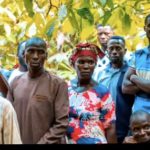
• In many districts, chiefs and residents say they have never seen the roads or clinics that the budget claims were built with oil money.
• Almost nothing has gone into the “industrialisation” priority that the law itself lists as one of the four key areas.
The oversight body that was supposed to watch the money
That body is PIAC – the Public Interest and Accountability Committee. It is not a government department; it is a citizens’ watchdog made up of religious leaders, traditional authorities, journalists, accountants, lawyers, trade unions, and civil society groups.
No politician sits on it. Every six months and every year, PIAC publishes a report telling Ghanaians exactly how much oil was lifted, how much money came in, and where it went.
For more than a decade, PIAC has been the loudest voice saying: “This is not good enough.” They have exposed unpaid surface rentals by oil companies, liftings that GNPC kept instead of sending to the Petroleum Holding Fund, and projects that exist only on paper. Their reports are detailed, bold, fearless, and often embarrassing for the government.
Yet, in 2025, the government quietly cut PIAC’s funding from the oil revenue itself. The committee now struggles to print reports, travel to project sites, or even hold town-hall meetings. Many Ghanaians have never heard of PIAC, which is exactly the problem.
Why the system keeps failing
1. Political pressure to show quick results: Every minister wants a ribbon-cutting ceremony before the next election. So money is spread thin across hundreds of small projects instead of finishing a few big ones well.
2. Weak follow-up: Once money is handed to a ministry or district assembly, nobody from the centre checks whether the work is actually done.
3. GNPC’s growing appetite: The national oil company now spends more on its own operations and new ventures than it returns to the state. Hundreds of millions of dollars from GNPC liftings have never entered the public purse.
4. Declining production: Output has fallen for five straight years because no new fields have come on stream. The Jubilee Field is ageing, and investors are scared off by delays, taxes, and political risk.
The way forward – It is not Rocket science
1. Protect PIAC with secure, independent funding written clearly into the law. A watchdog with no teeth is just decoration.
2. Publish a live, online dashboard showing every single oil-funded project – location, contractor, amount paid, percentage complete, and photographs. Citizens should be able to drive past a site and check on their phone whether it really exists.
3. Finish what you start. The next five years of oil money should go only to completing existing projects, not starting new ones for politicians to put their names on.
4. Force GNPC to send every cedi from its commercial liftings straight to the Petroleum Holding Fund, no excuses.
5. Aggressively market new oil blocks and offer better terms so production stops falling and starts rising again.
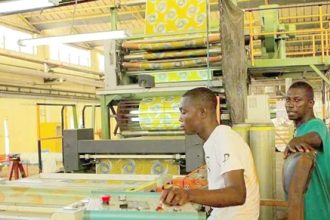
6. Finally, let ordinary Ghanaians feel the oil money in their pockets – better feeder roads so farmers can get cocoa to market, reliable electricity for small factories, and scholarships that actually reach brilliant but poor students.
The oil will not flow forever. Jubilee is already middle-aged, and the world is moving away from fossil fuels. If we do not fix the leaks and the laziness now, our children will look back and ask one painful question: “With all that money, why are we still like this?”
The good news is that Ghana has already created one of the best petroleum laws in Africa and a citizens’ oversight body that many countries envy.
All we have to do now is make them work properly, consistently, and without fear or favour.
The black gold is running. The clock is ticking. Let’s not waste the chance.
The Writer Samuel Ackom is a Broadcast Journalist with Citi FM and Channel One TV