

Ghana’s Highlife music and dance inscribed on UNESCO Intangible Cultural Heritage List
Ghana’s celebrated Highlife music and dance have been officially added to UNESCO’s Representative List of the Intangible Cultural Heritage of Humanity for 2025.
The global recognition marks one of the most significant cultural milestones in the nation’s recent history and honours more than a century of musical innovation.
It also secures Highlife’s status as a protected cultural treasure with worldwide relevance.
UNESCO’s listing covers highlife as practised in Ghana, acknowledging its musical structures, performance styles and social roles.
Ghana’s National Folklore Board submitted the nomination dossier earlier in 2025 and guided it through the formal review process.
The inscription places Highlife among other important traditions already safeguarded under the UNESCO convention.
Highlife emerged along the West African coast in the late nineteenth and early twentieth centuries.
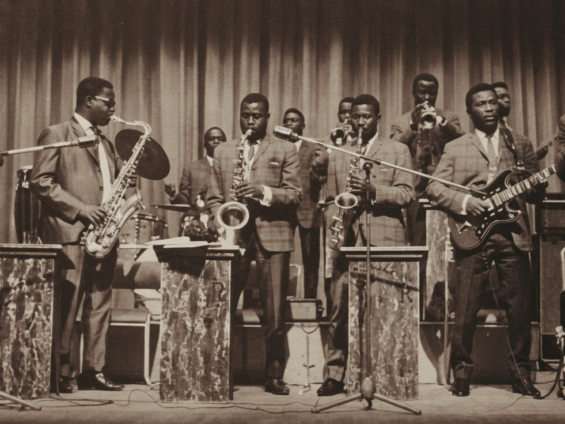
It blended Akan rhythms, palm-wine guitar styles and external influences such as brass band and jazz elements introduced by sailors, soldiers and merchants.
The earliest recordings appeared in the 1920s, after which the genre grew into distinctive guitar-band and big-band styles.
Legendary musicians, including E. T. Mensah, Ebo Taylor and C. K. Mann, helped define highlife as Ghana’s most enduring popular music and a foundation for many contemporary African genres.
How Ghana secured the recognition
The push for UNESCO inscription intensified between 2024 and 2025 as Ghana’s cultural institutions collaborated on a detailed nomination.
The National Folklore Board confirmed that a partial submission was filed in April 2025, followed by public announcements as the dossier advanced through national and international evaluation.
The process relied on archival material, academic research, community testimonials and contributions from musicians and cultural custodians.
Why it matters to everyday music lovers
While the inscription does not alter Highlife’s sound, it brings both symbolic and practical benefits.
The recognition raises global visibility for the genre, supports long-term safeguarding, and makes Ghana eligible for international support for training, documentation and cultural development.
It may also attract cultural tourism and inspire new projects that preserve Highlife for younger generations.
Experts clarify that the goal is active preservation rather than treating the music as a museum relic.
This involves strengthening music education, promoting live performances, supporting mentorship between veteran musicians and young artists, archiving historic recordings and helping communities benefit when Highlife is used in commercial spaces.
Ghana’s cultural agencies have already indicated plans to expand festivals, documentation initiatives and creative programmes that keep Highlife vibrant and evolving.
What this recognition means for Ghanaian music
Highlife’s inscription affirms a cultural legacy that has shaped Afrobeats, hiplife and much of West Africa’s modern sound.
For many Ghanaians, the inscription represents a powerful moment of national pride and a reminder that the country’s everyday creative traditions carry meaningful global significance.
To the wider music community, it reinforces highlife’s enduring impact on contemporary African sounds and its strength as a vibrant, evolving art form.
The recognition also invites cultural tourists and music lovers to experience the genre anew, from its distinctive horn lines to its rhythmic guitar work and rich storytelling.
For the musicians and communities who keep highlife alive, it stands as a respected international endorsement and an essential tool for preserving and advancing one of Ghana’s most treasured cultural traditions.