Ghana is reducing poverty, but not for everyone. By the third quarter of 2025, the country’s multidimensional poverty rate had fallen to 21.9 per cent. On paper, that looks like progress. More children in school. Better access to health care. Improved living conditions. But behind the numbers lies a harsher truth. Ghana is quietly splitting into two worlds: those who are moving forward, and those who are being left behind.
TWO GHANAS, ONE COUNTRY
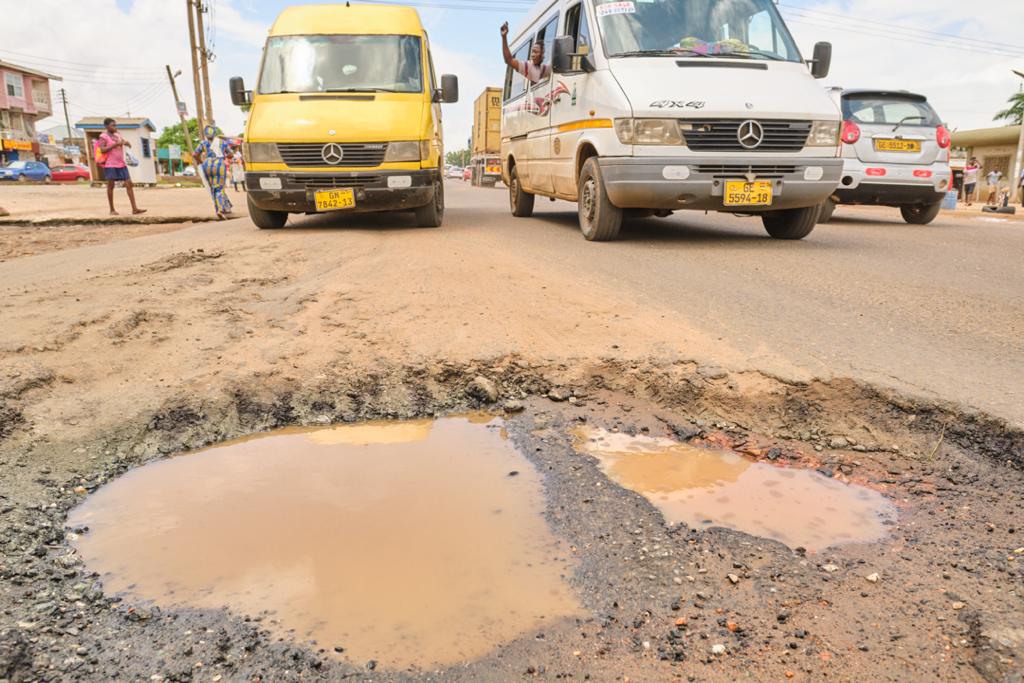
In the North East and Savannah regions, more than half of the population lives in multidimensional poverty. For many families there, daily life means struggling for clean water, decent housing, health insurance, and stable income. In Greater Accra and the Western Region, poverty levels are below 20 per cent. The contrast is stark. While coastal cities and commercial centres thrive, large parts of the north remain trapped in hardship. National averages may suggest progress, but they hide deep regional inequalities.
RURAL GHANA VS URBAN GHANA
The divide is not just regional. It is also rural versus urban.
By Q3 2025, poverty in rural Ghana stood at about 32 per cent, compared to around 14 per cent in urban areas.
For rural families, poverty is visible and relentless: children dropping out of school,
long journeys to fetch unsafe water,limited health services, and unstable incomes from seasonal farming.
In cities, hardship takes a different form, overcrowded housing, rising living costs, and insecure informal jobs. But urban residents still have better access to opportunities than their rural counterparts.
In Ghana today, where you live often determines how far you can go.
THE HUMAN FACE OF INEQUALITY
In savannah-belt communities, farmers like Aba live with uncertainty. Erratic rainfall destroys crops. Families make painful choices. Children are withdrawn from school. Illnesses go untreated because clinics are far away or insurance is unaffordable.
In Accra, an artisan may struggle too, but with better access to schools and hospitals, the chances of survival and success are higher. Inequality in Ghana is not just about money. It is about opportunity. It is about dignity. It is about survival.
WHY THE GAP MATTERS
If these inequalities persist, Ghana faces serious risks: Children in poor regions will grow up with limited opportunities. Health gaps will deepen vulnerability to disease and economic shocks.
Unequal infrastructure will discourage investment. Migration to cities will intensify pressure on urban services.
THE BIG PICTURE
The numbers tell a powerful story: The richest 10 per cent of Ghanaians consume about 32 per cent of national resources, more than the bottom 60 per cent combined. Poverty reduction has been concentrated in the south, while the north records the slowest progress.
Women are less likely to own land or assets and are more exposed to poverty.
Limited access to financial services keeps millions locked out of economic opportunities.
WHERE GHANA STANDS IN 2026
As of January 2026, Ghana’s multidimensional poverty rate remains at 21.9 per cent. But the inequality gap remains wide. The North East and Savannah regions still record poverty rates above 50 per cent, while Greater Accra remains below 20 per cent. Progress exists, but it is uneven.
A MOMENT OF CHOICE
Experts say the solution lies in targeted, region-specific policies, not one-size-fits-all approaches. Investing in roads, schools, health care, and jobs in the most deprived regions is not charity. It is a necessity.
Ghana’s challenge today is not just reducing poverty. It is ensuring that progress reaches every region, every community, and every household. Until then, the country risks becoming a nation divided, not by borders, but by opportunity.