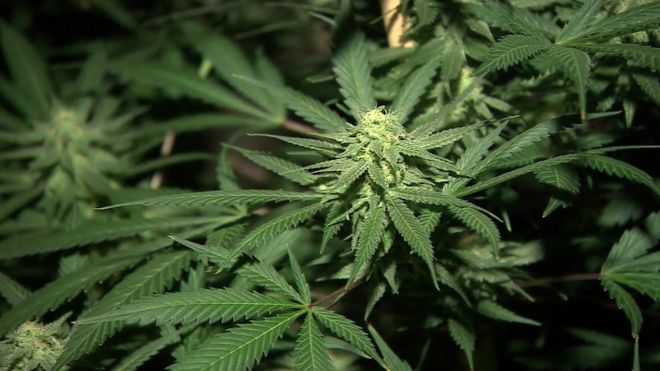
The Chamber of Cannabis Industry Ghana has called for a careful and coordinated implementation of Ghana’s medicinal and industrial cannabis policy in 2026 to maximise economic benefits while safeguarding the public interest.
Dr Mark Darko, Chief Executive Officer of the Chamber, said the new year should mark a transition from policy intent to effective execution following the legalisation of cannabis for medicinal and industrial purposes.
This is a year that calls not for speculation, but for clarity of purpose, institutional readiness and strategic patience,” he said in a New Year message to stakeholders in the emerging cannabis industry.
Dr Darko noted that although industry players were still awaiting the finalisation of fees, charges and operational guidelines, significant foundational work had continued behind the scenes. He pointed to progress in standard-setting, capacity development, and increased local and international engagement as key steps towards building a credible sector.
“These are the often unseen but essential building blocks of a credible and sustainable industry,” he said.
He explained that a properly regulated cannabis industry could contribute to pharmaceutical development, provide raw materials for industrial use, generate export revenue and create skilled employment opportunities, particularly for young people and women.
Dr Darko urged entrepreneurs, investors, farmers and researchers to focus on compliance, training and alignment with global best practices rather than short-term commercial gains.
“The jurisdictions that succeed in cannabis are those that build deliberately, guided by data, standards and long-term national interest,” he added.
Reaffirming the Chamber’s commitment to advocacy, capacity building and stakeholder coordination, Dr Darko said strong collaboration among government, regulators, industry players and civil society was critical to positioning Ghana as a responsible actor in the global cannabis value chain.
Ghana amended its narcotics laws in 2020 to allow the cultivation of cannabis with low tetrahydrocannabinol (THC) content for medicinal and industrial use. The Chamber has consistently maintained that cannabis-based innovations could support Ghana’s broader economic transformation if implemented within a robust regulatory framewor.