


Ghanaian applicants affected as Trump suspends new student visa appointments
President Donald Trump’s administration has instructed U.S. embassies globally to pause new appointments for student visa interviews.
This directive is part of an initiative to enhance social media background checks for visa applicants.
In a memo directed to embassies and consulates, Secretary of State Marco Rubio indicated that this suspension will stay in effect “until further guidance is issued”.
Media reports suggest this decision impacts those applying for student and exchange visas, potentially leading to lengthy delays in visa processing.
However, those who have already scheduled interviews will still be able to attend their appointments.
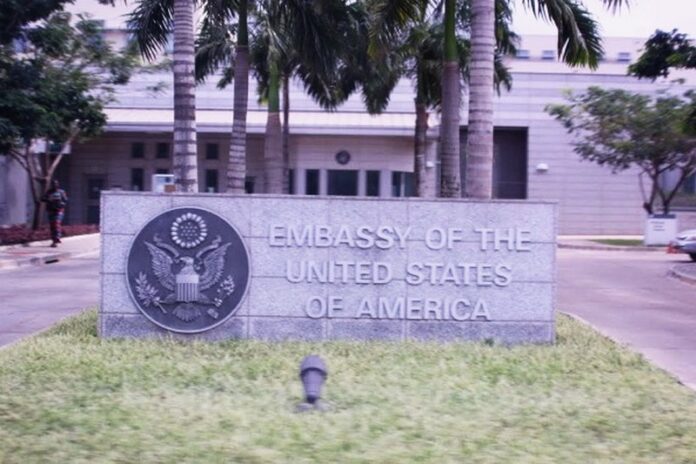
This move is particularly concerning for many Ghanaian students aiming to study in the United States, as they must attend visa interviews at the U.S. Embassy in Accra before travelling.
Each year, numerous Ghanaian students enrol in U.S. universities, fostering a rich tradition of academic and cultural exchange between the two nations.
The memo also highlighted plans to tighten the vetting process by implementing stricter evaluations of applicants’ social media activities, although it did not detail what specific types of content or behaviour might be scrutinised.
State Department spokesperson Tammy Bruce supported the decision, asserting, “We take very seriously the process of vetting who it is that comes into the country, and we’re going to continue to do that”.
READ ALSO: Ghana’s Embassy in Washington D.C. to reopen on May 29
This directive also comes amid heightened tensions between the Trump administration and top U.S. universities over issues such as pro-Palestinian demonstrations and accusations of antisemitism on campuses.
President Trump has claimed that several prestigious universities maintain discriminatory admission practices and endorse anti-Israel views.
The administration has previously enacted tough measures against higher education institutions, including revoking the visas of certain international students and reducing funding for specific universities, although some of these actions have faced legal challenges.
Harvard University, which has a significant number of international students (over 25%), has been particularly targeted.
Recently, the Trump administration attempted to prevent Harvard from enrolling foreign students or hosting visiting researchers, though a federal judge intervened to block this decision.
If these stricter visa policies proceed, they could create significant obstacles for Ghanaian students and others worldwide who wish to pursue higher education in the U.S.